Nest Boxes & Nesting
When and How to Clean Out a Nest Box
Learn exactly when and how to clean a birdhouse, what supplies to use, and how routine nest box maintenance keeps cavity-nesting birds coming back.
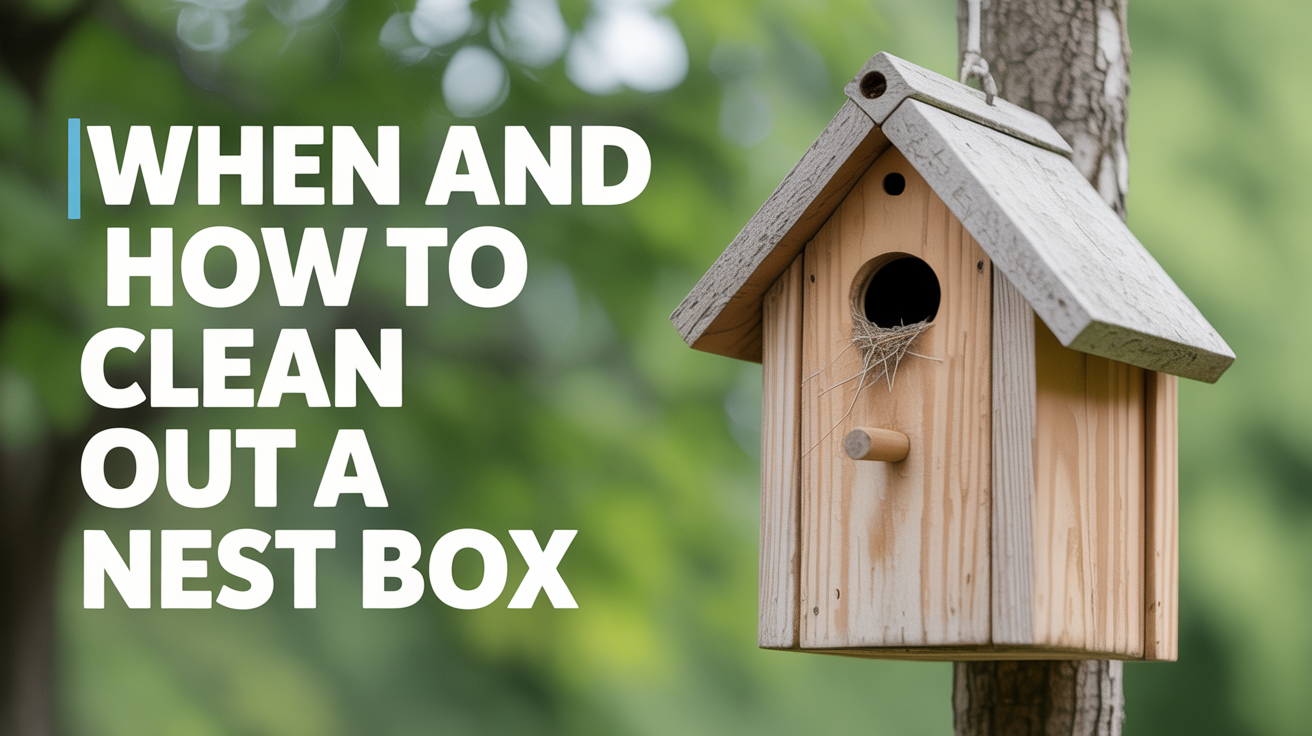
Clean out a nest box once at the end of each breeding season, and again briefly before nesting begins in spring. A quick scrub takes less than ten minutes and makes a real difference to whether birds use the box the following year.
Why Cleaning a Nest Box Matters
A used nest is not a clean slate. The old structure is a tangle of grass, feathers, moss, and droppings, and it can harbor mites, blow fly larvae, lice, and fungal spores that survive through winter. When a new pair of birds inspects the box in spring, a filthy interior often turns them away entirely.
There is also a practical reason to remove old material: a thick nest left in place raises the floor of the box, shrinking the interior cavity. For a bluebird or chickadee, a box with only a few inches of headroom above the nest cup is less attractive and may cause eggs to overheat in warm weather.
Some people worry that removing the nest will break the bond a bird has to its box. That concern is not supported by observation. Birds select cavities based on current condition, not memory of where they raised a brood before. A clean, properly sited box in good repair is more likely to be reused than one that smells of decay.
When to Clean a Nest Box
Timing depends on your region, the species using the box, and how many broods they raise.
After the breeding season ends: For most of North America, the window is late August through October. By then, even late-nesting species like house wrens have finished their second brood. Open the box, pull out the old nest, and clean it before winter.
Before the first eggs in spring: If you missed the fall window, do a quick clean in late February or early March, before scouts start inspecting cavities. Do not wait until you see a bird perching on or near the box; by that point, scouting may already be underway.
Between broods: Some cavity-nesting birds raise two or three broods in a single summer. Bluebirds are a common example. Once fledglings have left and you are sure the nest is abandoned, clearing the box between clutches encourages the pair to start fresh rather than building on top of a soiled nest. Check that all young have fledged before opening; young bluebirds leave around 18-21 days after hatching.
After a failed nest: If eggs were abandoned or a predator raided the box, remove the nest promptly. A failed nest can attract insects and may deter future nesting attempts.
A simple schedule to keep in mind:
| Time of Year | Action |
|---|---|
| Late August to October | Full end-of-season clean |
| Late February to early March | Pre-season clean if fall was skipped |
| Between broods (summer) | Remove old nest once fledglings leave |
| After a failed nest | Remove nest promptly |
How to Clean a Nest Box Step by Step
You do not need specialty products. The goal is to remove organic debris and reduce pathogens without leaving residues that could harm birds.
What you need:
- Stiff-bristled brush or old toothbrush
- Bucket of hot water
- Small amount of unscented dish soap or a dilute bleach solution (one part bleach to nine parts water)
- Garden gloves
- Trash bag
Step 1: Check that the box is vacant. Knock gently on the side of the box first. If you hear fluttering inside or see fresh activity nearby, come back in a week.
Step 2: Open the access panel. Most well-designed nest boxes have a hinged side or front panel for exactly this purpose. If you are building your own, see how to build a birdhouse plans and tips for how to incorporate a clean-out door from the start.
Step 3: Remove the old nest. Scoop it out with a gloved hand and place it directly into the trash bag. Old nest material should go in the trash, not the compost pile, because of the parasites and pathogens it may carry. If the nest has fly larvae (small white grubs in or under the nest cup), that is a sign blow flies used the nest. Removal and cleaning will interrupt their life cycle.
Step 4: Scrub the interior. Use the stiff brush with hot soapy water to scrub all interior surfaces, paying attention to corners and crevices where mites hide. If you prefer a disinfectant, the dilute bleach solution works well. Rinse thoroughly; bleach residue can irritate nestlings' eyes and skin.
Step 5: Let it dry completely. Leave the panel open and the box in the sun for a few hours. Moisture trapped inside encourages mold. Closing it while damp defeats the purpose of cleaning.
Step 6: Check the box while you have it open. Look for cracks that let in rain, gaps that could admit predators, and a drainage hole at the floor. A small drill hole at each corner of the floor allows any water that does get inside to drain out. While you are at it, confirm the entry hole is the right diameter for your target species; see nest box hole sizes for different birds for a complete reference.
Step 7: Reinstall or reposition if needed. If the box has shifted or a nearby branch now gives squirrels or raccoons easy access, correct it before spring. Location and mounting height matter more than most people realize; where to place a nest box for the best results covers the specifics by species.
Ongoing Nest Box Maintenance
Cleaning is the biggest part of nest box care, but a few other habits will extend the life of your boxes and keep birds returning.
Monitor for house sparrows and European starlings. Both are non-native species that aggressively take over nest boxes and, in many states, have no legal protection the way native cavity nesters do. Check on boxes weekly during nesting season. If you find a house sparrow nest (loosely packed grass, feathers, bits of plastic) in a box intended for bluebirds or tree swallows, you can legally remove it.
Apply a wood preservative every two or three years. Use a non-toxic exterior wood stain or linseed oil on the outside of wooden boxes only; leave the interior bare. Cedar and redwood age well without treatment, but pine boxes benefit from occasional protection.
Inspect hardware. The screws, hinges, and mounting hardware on a box can corrode over several seasons. Tighten or replace loose hardware in early spring before birds claim the box; once a pair is nesting inside, the box should not be disturbed.
Add a predator baffle if you do not have one. A cone or cylindrical baffle on a pole mount prevents climbing predators from reaching the box. Many nest box failures trace back to raccoons, snakes, or cats reaching the box from below or from an overhanging branch. A baffle is the single most effective predator deterrent you can add.
Frequently Asked Questions
Is it safe to clean a nest box in the fall if I see birds near it? Yes. Birds visiting boxes in fall and winter are often roosting, not nesting. Cavity birds like chickadees and wrens sometimes use boxes as overnight roost sites in cold weather. A brief disturbance to clean the box will not cause them to abandon the roost site permanently. Clean on a mild afternoon when they are likely foraging rather than huddled inside.
Do I need to wear a mask when cleaning a nest box? It is a reasonable precaution, especially if the nest contains a lot of dried droppings. Bird feces can carry pathogens including histoplasma (a fungal spore associated with bird droppings). Wearing gloves and a simple dust mask, and working outdoors with the debris going directly into a bag, reduces your exposure.
What if there are still eggs in the box? Leave the box alone. Active nests with eggs or young are protected under the Migratory Bird Treaty Act for all native species. Wait until the brood has fledged and the nest has been abandoned before cleaning. If you are unsure whether a nest is active, watch from a distance for 30 minutes; returning adults are a clear sign.
How often should I add new nesting material? You do not need to add any. Birds bring their own material and prefer to select it themselves. Adding material, even species-appropriate material like pine needles or wood shavings, can actually deter some birds who associate a pre-filled box with a used nest. The exception is wood duck and screech owl boxes, which traditionally are filled with a few inches of wood shavings since those species do not carry nesting material themselves.
Can I use a pressure washer to clean a box? It will remove debris effectively, but the force can split seams and crack thin wood. A stiff brush and hot water is gentler on the box and just as thorough. Save the pressure washer for concrete and decking.