Nest Boxes & Nesting
What to Do If You Find a Bird Nest
Found a bird nest in your yard? Learn what to check, what the law says, and the few situations where acting is actually okay.
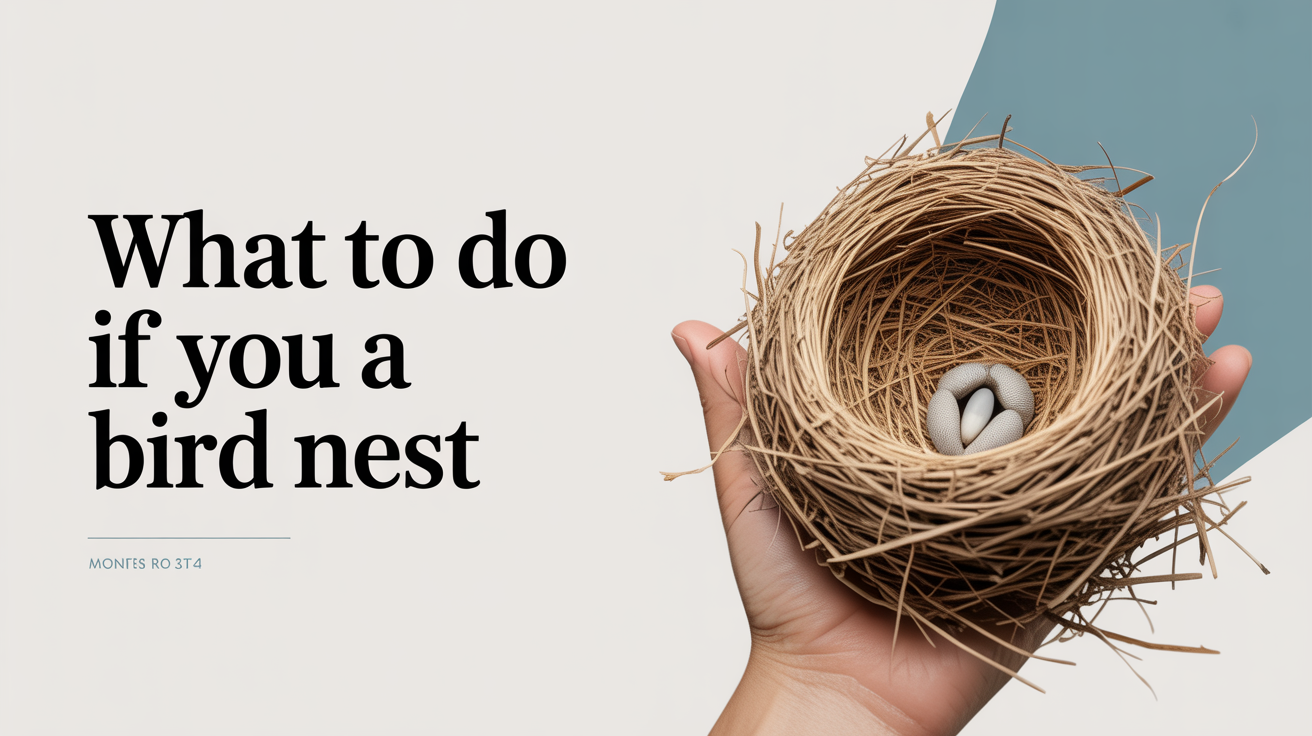
If you found a bird nest in your yard, the best first move is almost always to leave it alone. Most of the time the nest is exactly where the birds want it, and any well-meaning interference does more harm than good.
That said, there are situations where action is reasonable, and knowing the difference saves you frustration and keeps birds safe. Here is a practical walkthrough for what to do, in order.
Step One: Figure Out Whether the Nest Is Active
"Active" means one of three things: eggs are present, chicks are inside, or a bird is still visiting regularly to build or incubate.
Before you do anything else, observe from a distance for 15 to 20 minutes. Do not hover near the nest. Many parent birds will delay returning if they sense a person watching closely, which can mislead you into thinking the nest is abandoned.
Signs a nest is active:
- Eggs or chicks visible inside
- Adult bird returning every few minutes or sitting tight on the nest
- Fresh nest material (still green, soft, or moist) being added
- Parent carrying food to the nest
Signs a nest is probably empty:
- Nest looks weathered, flattened, or falling apart
- No bird visits after a full observation period on multiple days
- Feathers, droppings, and debris have piled up inside (old nests accumulate this quickly)
- Chicks that were present a week ago are now gone (fledging is fast)
If the nest is active, stop here. Leave it where it is.
What the Law Actually Says About Bird Nests
This is the part that surprises most people. In the United States, the Migratory Bird Treaty Act (MBTA) makes it a federal offense to take, possess, disturb, or destroy the nest, eggs, or young of any protected migratory bird. Most native songbirds, raptors, and shorebirds fall under this protection.
The practical implication: if you move or destroy an active nest, you could be breaking federal law, even on your own property.
The species not covered by the MBTA include non-native birds that were introduced to North America. House Sparrows, European Starlings, and Rock Pigeons are the three most common examples. Those nests are not federally protected, though your state may have separate rules.
For any native bird with an active nest, the legal path is simple: wait until nesting is over. Most songbirds finish a single nesting cycle in four to six weeks from the time eggs are laid. Many species nest more than once per season, but each clutch completes quickly.
If you are unsure whether a bird is a native species, a field guide or a quick search on the Cornell Lab of Ornithology's All About Birds site can clear it up. When in doubt, treat the nest as protected.
A note on professional situations: contractors, tree services, and landscapers are subject to the same law. If you hire someone to trim trees or remove shrubs and they disturb an active nest, the liability does not shift to them automatically. Check for nests before scheduling work during nesting season (typically late March through August in most of North America).
What to Do When the Nest Is in a Bad Spot
Finding a bird nest in your yard in a genuinely problematic location is common. Here are the scenarios that come up most:
Nest on a door wreath, porch light, or window ledge
This is awkward but not dangerous. The birds chose that spot because it offered shelter and a stable surface. If eggs or chicks are present, you are looking at a short wait. Cover the area during nest-building stages only, before eggs are laid, if you truly cannot have birds nesting there. Once eggs are present, the law applies.
During active nesting, a simple solution for high-traffic spots is to temporarily use a different door or keep the porch light off at night. Most families find this easier than expected once they know the timeframe.
Nest in a dryer vent or other ventilation opening
This is a safety issue that justifies action, but only if the nest is not yet active. An empty, unstarted, or abandoned nest in a vent can be removed. If birds are actively nesting, contact a licensed wildlife rehabilitator or your state wildlife agency for guidance on your options. They can advise on legal nest removal permits in genuine hazard situations.
Once the nest is gone, install a proper vent cover designed to keep birds out. A cover with a flap that opens only under airflow works well.
Nest too low to the ground
Low nests, such as a robin's cup nest wedged into a shrub at knee height, are vulnerable to cats and foot traffic. The birds chose the spot deliberately, though. Resist the urge to relocate it. What you can do is temporarily block foot traffic nearby and keep pets indoors or supervised while the nest is active.
Nest in equipment you need to use
Lawn equipment, boat motors, and stored vehicles are frequent nesting sites. If eggs have not yet been laid, moving the object slowly and parking it elsewhere before nesting begins is a reasonable solution. If eggs or chicks are present, the nest is active and protected. You will need to find an alternative for the equipment until the nest cycle finishes.
When an Active Nest Becomes Abandoned Midway
Nest abandonment does happen. Causes include predation, extreme weather, a parent being killed, or repeated human disturbance. If a nest with eggs or chicks has gone cold and quiet for 48 hours, with no adult activity at all, the nest is likely abandoned.
At that point, the nest is no longer protected under active-nesting provisions, though possessing eggs and chicks can still be restricted. For any live chick that appears orphaned, contact a licensed wildlife rehabilitator. Do not attempt to raise the bird yourself. Wild birds have very specific dietary needs and handling them without training nearly always leads to worse outcomes than professional care.
Dead eggs and nesting material from a fully abandoned nest can be cleaned up. Many people keep old nests as nature objects, though technically possessing them may require care depending on your state's wildlife rules.
After Nesting Season: What to Do With Old Nests
Once a nest is clearly finished for the season, typically by late summer or early fall, clearing it out has a few practical benefits.
Old nests can harbor mites, blowfly larvae, and other parasites that carry over to the next clutch if the nest is reused. Most songbirds build a fresh nest for each clutch anyway, but some species, including bluebirds and wrens, will clean out and reuse a nest box readily if the old material is removed.
If the nest was inside a nest box you built or installed, remove and discard the old material after the season ends. Scrub the interior with a stiff brush and a diluted bleach solution, rinse well, and let it air dry before closing it up for winter.
Built-in nest boxes tend to be used more consistently when they are cleaned annually. If you are placing a new box and want to maximize the chance birds will find it attractive, see our guide on where to place a nest box for the best results.
Encouraging Nesting in Better Locations
If birds keep choosing inconvenient spots, the best long-term fix is giving them better options nearby. Native shrubs and trees with dense branching structure are natural choices for many species. A properly sized nest box will attract cavity-nesting birds, including bluebirds, chickadees, nuthatches, and wrens, away from dryer vents and porch lights.
Hole size matters more than most people realize. A box drilled with the wrong entrance hole will either attract the wrong species or let predators in easily. Our guide on nest box hole sizes for different birds covers the dimensions for the most common backyard nesters.
Frequently Asked Questions
Can I move a bird nest if it is in a bad location? If the nest is active, meaning it contains eggs or chicks, moving it is illegal under the Migratory Bird Treaty Act for most native species. If the nest is empty and no eggs have been laid yet, moving it is generally permissible, though birds may not follow it to the new location.
Is it legal to move a nest to protect it from a cat? No, not if it is active. The law does not have a "good intentions" exception. The better approach is keeping your cat indoors during nesting season and putting a physical barrier around the nest site if possible.
What if I accidentally disturb a nest? If you disturb it but do not remove eggs or injure birds, step back and give the area space. Parent birds typically return once the disturbance stops. The old myth that parent birds will abandon a nest if a human touches it is not true. Birds have a weak sense of smell and will not reject their nest because of human contact.
How long until a nest is abandoned and I can remove it? Wait until you are certain no birds are using it. That means no adult visits for at least two to three consecutive days, no live eggs or chicks inside, and visible signs of age and decay. When in doubt, wait another week.
What should I do if I find a baby bird on the ground near a nest? If the bird is naked and has no feathers, it is a nestling and needs to get back into the nest. You can place it back in gently. If the bird has feathers and is hopping around, it is likely a fledgling and is supposed to be on the ground. The parents are usually nearby feeding it. Leave it alone unless it is in immediate danger from a cat or vehicle. If the bird is clearly injured or sick, contact a licensed wildlife rehabilitator.