Feeders & Seed
Suet, Nyjer, and Mealworms: Specialty Bird Foods
Learn what suet is for birds, how nyjer seed works, and why mealworms attract bluebirds. A practical guide to specialty bird foods for your backyard.
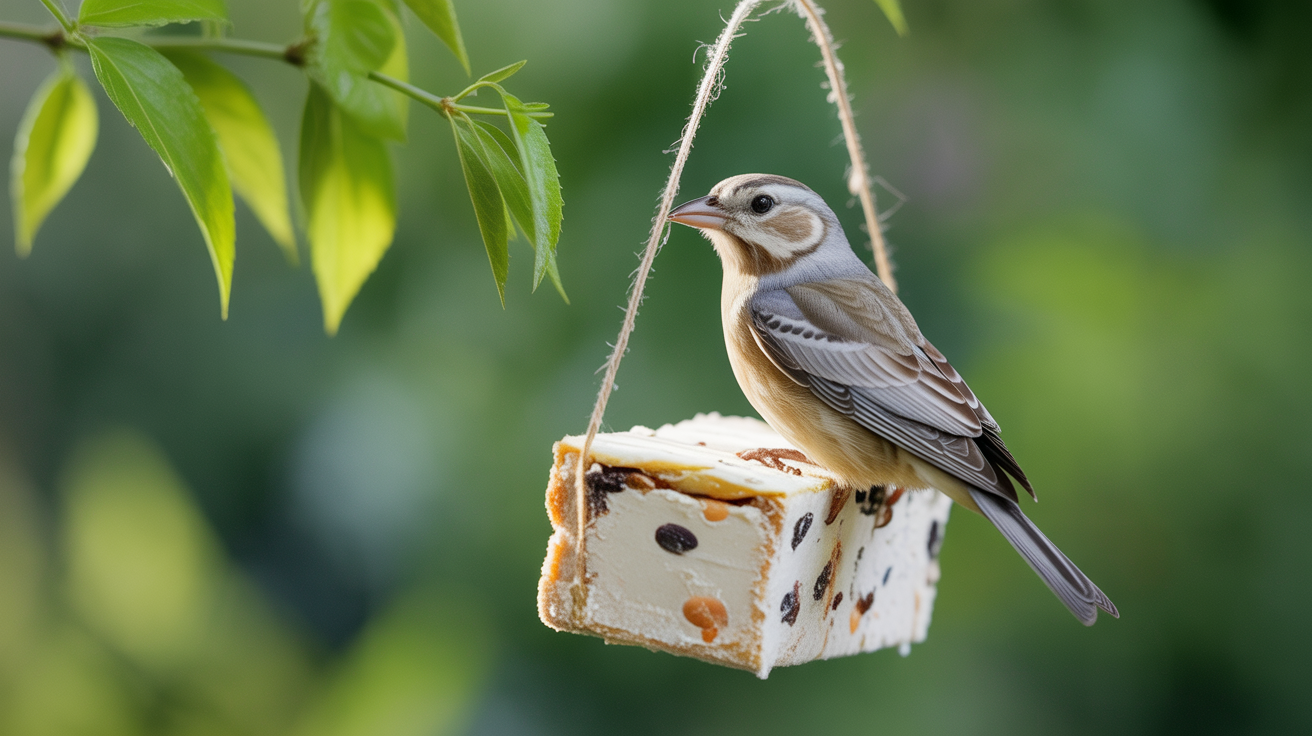
Black-oil sunflower seed is a reliable workhorse, but three specialty bird foods unlock a whole different set of visitors: suet draws woodpeckers and nuthatches, nyjer seed pulls in goldfinches, and mealworms bring bluebirds right to arm's length. Here is what each one is, which birds it targets, and how to use it well.
What Is Suet for Birds?
Suet is rendered animal fat, traditionally beef kidney fat, that has been melted and set into cakes or blocks. In its raw form it goes rancid quickly, especially in warm weather. Commercial suet cakes are usually blended with a second ingredient such as corn, sunflower chips, peanuts, or dried insects, which slows spoilage and adds nutrition.
For birds, suet is primarily an energy source. Fat delivers roughly twice the calories per gram of either protein or carbohydrates, which matters most during cold snaps, migration, and the energy demands of nesting season. Birds that eat suet are almost always insect-eaters or omnivores: species whose beaks are built for clinging to bark and probing crevices rather than cracking seeds.
Birds commonly attracted to suet:
- Downy woodpecker
- Hairy woodpecker
- Red-bellied woodpecker
- Pileated woodpecker (on large blocks or log feeders)
- White-breasted nuthatch
- Red-breasted nuthatch
- Carolina wren
- European starling (a persistent nuisance visitor)
- Brown creeper
- Yellow-rumped warbler (in late fall and winter)
Suet cakes sold in standard wire cages hang from a branch or feeder pole. Upside-down suet feeders, where birds must cling and reach under the cake to feed, deter starlings without stopping woodpeckers, which are agile enough to feed from below.
A note on summer suet: Regular suet melts at temperatures above roughly 70 degrees Fahrenheit, coating feathers and becoming a mess. In warm months, use only products labeled "no-melt" or "summer blend," which substitute hydrogenated vegetable shortening for tallow. They hold their shape in the heat and remain safe for birds.
For a broader look at which feeder styles pair best with suet cakes, see tube, hopper, platform, and suet feeder types explained.
Nyjer Seed: The Finch Specialty Food
Nyjer (also spelled niger and sometimes sold under the brand name Thistle) is the small, black, oil-rich seed of the African yellow daisy, Guizotia abyssinica. It has no connection to thistle plants despite the common nickname; nyjer is imported and sterilized before sale so it cannot germinate and spread.
The seed is thin enough that it falls straight through the ports of a standard tube feeder. Nyjer requires either a feeder with very small openings specifically sized for it or a fine-mesh "thistle sock," which is a cloth bag birds cling to from the outside and pick seeds through the weave.
Birds most attracted to nyjer:
| Species | Feeder preference |
|---|---|
| American goldfinch | Tube feeder with nyjer ports or thistle sock |
| Lesser goldfinch | Same as above |
| Pine siskin | Tube feeder; sometimes mixed with sunflower chips |
| Common redpoll | Tube feeder; irruptive winter visitor in northern states |
| Hoary redpoll | Same range as common redpoll |
| House finch | Will use nyjer feeders but also eats sunflower |
| Indigo bunting | Occasionally; usually prefers millet |
Goldfinches are the primary audience. Putting up a nyjer feeder in late spring and leaving it through fall almost guarantees a rotating flock of American goldfinches, which in breeding plumage are among the most reliably bright birds in a backyard. Pine siskins arrive in winter some years in large numbers when their northern food sources fail, and a well-stocked nyjer feeder can suddenly have thirty birds on it.
Freshness matters more with nyjer than almost any other seed. The natural oils in the seed degrade, and birds will often refuse stale nyjer entirely. A standard sign is that birds investigate the feeder, then leave. Empty the tube completely every three to four weeks, rinse it, dry it thoroughly, and refill with fresh seed. Buying in smaller quantities rather than large bags helps keep stock fresh.
For a full comparison of seed types and the birds each one draws, the guide on the best bird seed types and what each one attracts covers the whole lineup side by side.
Mealworms for Birds: Why They Work and How to Offer Them
Mealworms are the larvae of the darkling beetle (Tenebrio molitor). They are not worms at all but caterpillar-like beetle grubs, and they have been a standard reptile and fishing bait for decades. For backyard birding, they are most useful as a targeted offering for insectivorous species that rarely visit seed feeders at all.
Mealworms come in two forms:
- Live mealworms: More attractive to birds, particularly for triggering the parental feeding response during nesting season. Stored in the refrigerator in a container of oatmeal or bran, they stay dormant for several weeks.
- Dried mealworms: Shelf-stable and convenient. Some birds accept them readily; others, especially bluebirds, often ignore dried mealworms until they learn to associate the feeder location with food. Soaking dried mealworms in water for ten minutes before offering them improves uptake.
Birds that respond best to mealworms:
- Eastern bluebird (and western and mountain bluebirds in their ranges)
- American robin
- Carolina wren
- Catbird
- Mockingbird
- Baltimore oriole
- Rose-breasted grosbeak
- Chipping sparrow
Bluebirds are the main reason most birders try mealworms. A pair of bluebirds raising nestlings can visit a mealworm dish dozens of times per day, and watching them carry live larvae back to a nest box is one of the more satisfying things a yard can produce.
How to offer mealworms: A shallow dish or low tray works well. Smooth-sided ceramic ramekins or plastic cups are effective because mealworms cannot crawl out. Mount the dish on a short post near an open area, within sight of where bluebirds perch. Start with a small offering, about twenty-five to fifty live mealworms per day, and increase once birds are visiting reliably. Offering too many at once leads to waste and can attract raccoons or rats.
One caution for nesting season: very young nestlings cannot digest mealworm exoskeletons properly. If you see parents taking mealworms to a nest, that is normal, but avoid offering unlimited quantities. A modest daily ration keeps birds reliant on natural foraging as well.
Combining Specialty Foods: Building a More Complete Feeder Setup
Using all three specialty foods together covers a wide spread of the insect-eating and finch guilds that a seed-only setup misses entirely. A practical arrangement might look like this:
- Suet cage: Hung near tree trunks or on a feeder with a built-in suet arm, positioned so woodpeckers have room to approach vertically.
- Nyjer tube or sock: Set apart from heavier feeders so the small finches feeding on it are not pushed off by larger birds.
- Mealworm dish: Low to the ground or on a short post in an open area, away from dense shrubs where cats can hide.
Spacing feeders a few feet apart reduces crowding and allows birds with different feeding styles to use different stations at the same time.
For help deciding which feeder types and configurations make sense for your yard, the guide on how to choose the right bird feeder walks through the decision by yard size, budget, and target species.
Frequently Asked Questions
Can I make suet at home? Yes. Melt raw beef kidney fat (available from butchers) slowly, strain it, let it solidify, melt it a second time, then pour it into molds while adding dried fruit, corn, or peanuts. The double-rendering process removes water, which slows spoilage. Home-rendered suet still goes rancid in warm weather, so stick to commercial no-melt options from late spring through early fall.
Why are goldfinches ignoring my nyjer feeder? The most common reasons are stale seed, a feeder in an exposed or unfamiliar location, or simply that goldfinches have not found it yet. Try moving the feeder closer to shrubs or other feeders where finches already visit, replace the seed, and give it two to three weeks. Some birders sprinkle a small amount of nyjer on top of a platform feeder to help birds discover it.
Do mealworms attract mice or rats? They can if left out overnight or offered in large quantities. Offer only what birds consume in a day, remove the dish at dusk, and do not leave spilled mealworms on the ground. A dish mounted on a pole with a squirrel baffle also keeps the offering less accessible to ground-level scavengers.
Are mealworms safe for birds year-round? Live and dried mealworms are safe in all seasons. Many birders reduce or stop offering them in late summer once young birds are fledged, then resume in fall when natural insect populations drop. There is no strict rule, but keeping portions modest ensures birds are not substituting mealworms for the varied natural diet they need.
Can I use suet if I have a squirrel problem? Squirrels will absolutely raid suet cages if they can reach them. A cage feeder hung on a wire at least ten feet from any launch point is harder for squirrels to reach, and weight-sensitive cages that close under heavier animals are available. Upside-down suet feeders also slow squirrels somewhat, since they have to hang and reach, though a determined squirrel will eventually work it out.