Seasonal Birding
Scruffy Birds and Quiet Feeders: What Late Summer Actually Means
Feeder traffic drops in July and August, and your birds look ragged. Here's why that's completely normal, and what to do about it.
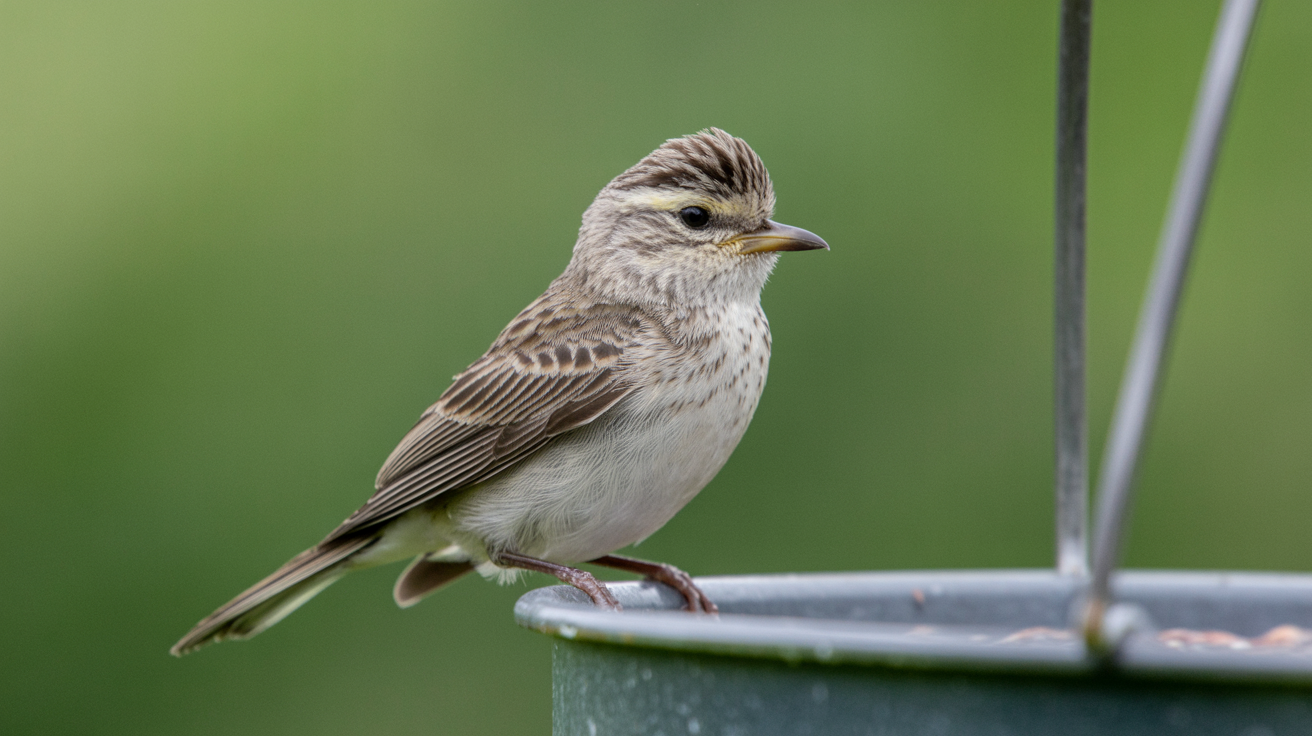
If your feeder has gone quiet and the birds that do show up look like they lost a fight with a ceiling fan, you are watching two perfectly normal late-summer processes at once: molting adults and newly independent fledglings.
Why Feeder Traffic Drops in Late Summer
From roughly mid-July through August, most backyard species pull back from feeders. This puzzles a lot of new birders who stocked up on seed all spring and now find the tubes sitting untouched for days at a time.
A few things are happening at once:
- Natural food is abundant. Late summer is peak season for wild berries, seeds gone ripe on weeds and grasses, and a major flush of insects. Birds that spent months on your sunflower seed have little reason to commute to a feeder when food is everywhere they look.
- Breeding duties are wrapping up. Most songbirds finish their last nests in July. The urgency that drove adults to fuel up constantly for themselves and their nestlings fades once the chicks fledge.
- Molting takes energy. Growing a full set of new feathers is metabolically expensive, and birds in heavy molt tend to stay lower, move less, and expose themselves less to predators. You may have the same number of birds in your yard but see them far less.
This seasonal slowdown is covered in more detail in our guide to summer bird feeding, but the short version is: the lull is not a sign that something is wrong. It happens every year.
What Molting Actually Is
Molt is the process of replacing old, worn feathers with new ones. Birds cannot repair a damaged feather the way a broken bone heals. Once a feather is in, that's it until it falls out and a new one grows. By the end of breeding season, a bird's plumage has taken a beating from months of brooding, nest construction, and territorial scuffles. The solution is to shed everything and start fresh.
Most North American songbirds go through a complete molt in late summer, replacing every feather on their body. The process moves in waves across the wing and body so the bird is never fully flightless, but during peak molt the gaps are obvious. A male American goldfinch that looked like a scrap of sunshine in June may show up in August with patches of greenish-gray mixed into his yellow. A male Northern cardinal can look genuinely alarming: bald-headed, with bare black skin where his crest used to be, surrounded by stubble-like pin feathers poking through.
Both of those birds are healthy. The bald head on a cardinal is so common in late summer that it has its own informal nickname among backyard birders. The feathers will grow back fully by October, and the bird will head into fall looking sharp again.
Molting Adults vs. Juvenile Birds: How to Tell Them Apart
Late summer feeders draw two very different groups that can be tricky to sort out, especially for beginners. Here is a practical breakdown.
Molting adults look patchy. You will often see:
- Uneven color where new bright feathers are growing in next to old faded ones
- Gaps in the wing, especially visible when the bird flies
- Pin feathers on the head, which look like tiny dark spikes
- The same basic body shape and posture you recognize from earlier in the year
Fledglings and juveniles look unfinished in a different way:
- Spotted or streaky overall, even on species where adults are not spotted (young robins and bluebirds both show heavy spotting that disappears with their first molt)
- Short, stubby tails
- A slightly fluffy, large-headed look
- Bills that may still show a pale or yellowish gape (the soft corners of the bill that parents used to aim food into)
Behavior is the most reliable clue. A molting adult moves with the confident, purposeful manner of a bird that knows what it is doing. A fledgling fresh out of the nest will crouch low, flap its wings rapidly, and give short, rapid begging calls even when a parent is nowhere nearby. You may see young house finches and chickadees doing this right on or near the feeder, sometimes pestering a clearly annoyed adult for food long after they are capable of feeding themselves.
For species where adult males and females look different, juveniles are an extra puzzle. Young birds of most species resemble adult females, and some of them look like neither sex until they complete their first full molt. For a deeper look at how to read plumage differences by age and sex, see our guide to male vs. female birds and how plumage differs, and if you find yourself genuinely stuck on an ID, confusing lookalike birds and how to tell them apart walks through some of the trickiest late-summer cases.
What to Keep Stocked (and Why Protein Matters)
Even when feeder traffic is slow, late summer is a good time to think about what you are offering. Feather growth is protein-intensive, and birds in heavy molt benefit from high-protein foods.
Mealworms are the most targeted option. Live mealworms in particular draw insect-eating birds like bluebirds, catbirds, and wrens that rarely visit seed feeders. Dried mealworms are a more practical pantry staple and still effective, especially if you wet them slightly before offering. A shallow dish feeder works better than a tube for mealworms.
Black-oil sunflower seed remains the workhorse of the backyard feeder. The thin shell is easy for small birds to crack, and the fat and protein content is high. If you keep nothing else stocked through August, keep sunflower.
Nyjer (thistle) seed is worth maintaining for goldfinches and siskins through the molt period. Goldfinches molt later than most species and continue visiting nyjer feeders through September.
A simple late-summer setup:
| Food | Best feeder type | Top species attracted |
|---|---|---|
| Black-oil sunflower | Tube or hopper | Cardinals, chickadees, nuthatches, finches |
| Mealworms (live or dried) | Shallow dish or tray | Bluebirds, catbirds, wrens, robins |
| Nyjer/thistle | Finch sock or nyjer tube | Goldfinches, pine siskins, redpolls |
| Fresh water (daily change) | Birdbath | Everything |
Water is worth emphasizing here. Bathing is part of feather maintenance, and birds in molt use baths constantly to clean and condition new feathers. A clean, shallow birdbath refilled daily will draw more birds in late summer than almost any food offering.
Patience Is the Right Response
New birders sometimes worry that a sudden lull means they have done something wrong or that the birds have moved on permanently. They haven't. Late summer is simply a period of low visibility for most songbirds.
A few things worth keeping in mind:
- Traffic will pick back up in September as molt finishes, natural food starts to thin out, and birds begin staging for fall migration.
- If you have been meaning to clean feeders or switch out old seed, the late-summer quiet is the best window to do it without disrupting heavy feeding activity.
- A bird that looks scruffy is almost always healthy. The only birds that warrant concern are ones that appear lethargic, can't fly, or show obvious physical injury. If you find a bird like that, contact a licensed wildlife rehabilitator rather than attempting to treat it yourself.
The calendar will turn, the trees will start to shift, and by mid-September your feeders will be busy again with birds in fresh plumage and new migrants passing through. Late summer is a rest, not an end.
Frequently Asked Questions
My cardinal has no feathers on his head. Is he sick?
Almost certainly not. Head molting in Northern cardinals often produces a fully or partially bare head because all the small feathers in that area shed at once. The skin looks dark and a bit alarming, but the bird is in good health. New feathers grow back within a few weeks.
Why are birds that don't usually come to my feeders showing up now?
Late summer brings fledglings that haven't yet sorted out where the reliable food is. You may see young birds from species that normally forage entirely in trees or shrubs, like warblers or vireos, making an unusual visit to a dish of mealworms. It passes once they firm up their foraging habits.
Should I take down feeders during the molt period since birds seem uninterested?
There is no need to. It is fine to scale back if you are losing a lot of seed to spoilage, but birds will still visit during cooler parts of the day even when wild food is plentiful. Keeping feeders stocked means they are there when the late-summer flush of natural food runs out.
How long does molt take?
A complete molt covering all body feathers typically runs six to eight weeks. Wing feathers take longer because they grow in a careful sequence from the innermost feather outward. By October, most backyard species are in fresh fall plumage.
Is the small, fluffy bird begging at my feeder orphaned?
Probably not. Fledglings leave the nest before they are fully capable of flight or self-feeding, and they spend several days to a couple of weeks on the ground or in low branches while their parents continue to feed them. If the bird is alert, moving around, and calling, its parents are almost certainly nearby. The best approach is to keep cats and dogs away from the area and let the parents do their job.