Feeders & Seed
How to Store Bird Seed and Keep Pests Out
Learn how to store bird seed so it stays fresh, discourages pantry moths, and keeps rodents away. Practical tips for backyard birders.
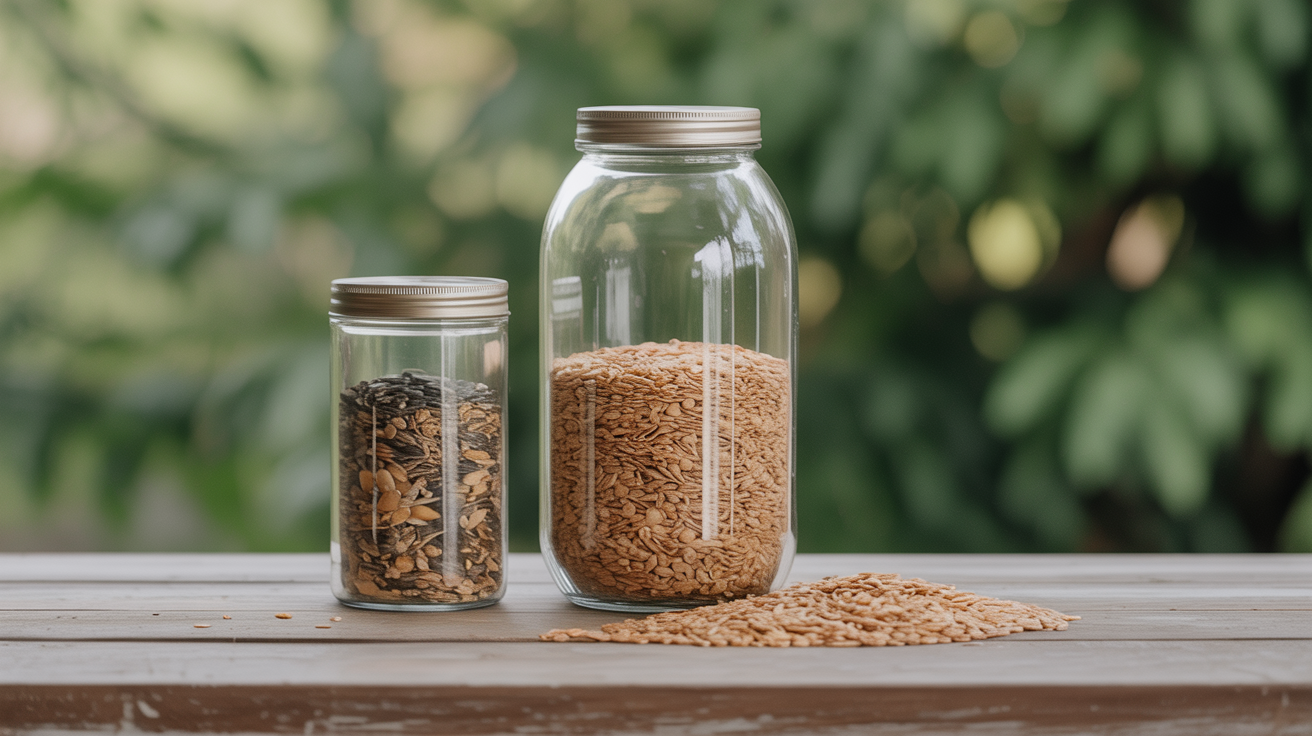
Storing bird seed properly takes about five minutes to set up and will save you from moldy seed, rodent damage, and a pantry moth infestation in your garage. The short answer: use a hard-sided, airtight container in a cool, dry spot, and rotate your stock so older seed gets used first.
At a Glance
- Container: hard-sided and airtight beats convenient every time. Metal trash cans or thick HDPE plastic bins with sealing lids are the standard.
- Location: cool, dry, and off the ground. Skip a garage that hits 100°F in summer if you can help it.
- Pest prevention: freeze new seed for 72 hours before storing it to kill any pantry moth eggs already inside the bag.
- Rotation rule: first in, first out. Buy what you'll use in six to eight weeks rather than stockpiling.
- Separate containers per seed type so a moth problem in one variety doesn't spread to the rest of your stock.
- Shelf life: most seed keeps 6 to 12 months sealed and cool; nyjer and shelled peanuts go rancid faster and should be bought in smaller batches.
Why Bird Seed Storage Actually Matters
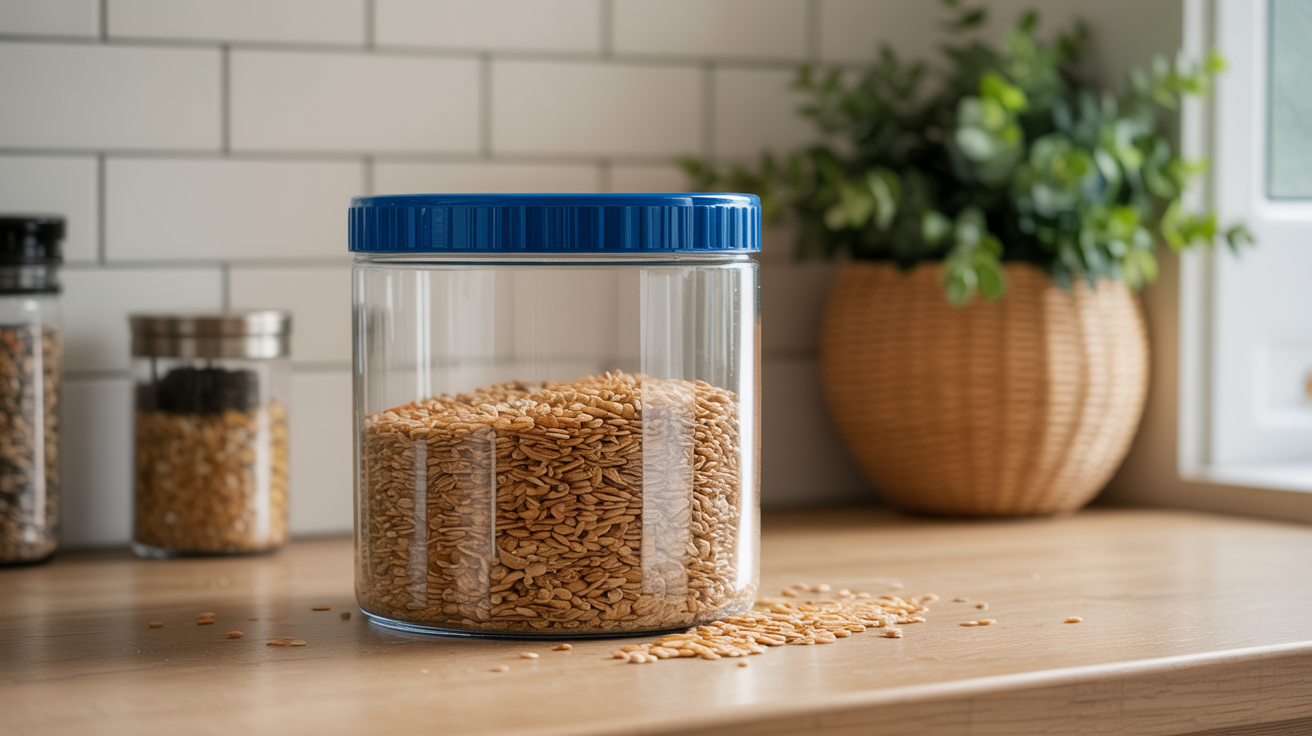
Seed that sits in a torn paper bag or an open bucket does not just attract pests. It goes bad faster and can harm the birds you are trying to feed.
Mold and mycotoxins. Warm, damp conditions let mold grow inside a seed pile within days. Some molds produce mycotoxins that are toxic to birds, particularly to songbirds and waterfowl. You will not always see visible mold; you might just notice fewer birds at your feeder or find uneaten seed left overnight. Cornell's Project FeederWatch recommends cleaning feeders regularly and keeping the seed supply itself dry, noting that pathogen buildup in wet or moldy debris is one of the main routes disease spreads through a backyard flock.
Rancid fats. Sunflower seeds, nyjer, and safflower all contain oils that go rancid when exposed to heat and air. Rancid seed smells off, has lower nutritional value, and birds will often refuse it. If your regular visitors suddenly stop coming, stale seed is one of the first things to check.
Pest infestations. Rodents can chew through plastic bags and thin plastic bins overnight. Pantry moths, particularly the Indian meal moth, can already be inside seed as eggs when you bring it home from the store. The UC Integrated Pest Management Program notes that Indian meal moth larvae "attack a wide range of products including cereal and cereal products, flour, cornmeal, rice, dried fruit," and the same larvae are just as happy to work through a bag of birdseed or a bin of pet food left unsealed. Given warmth and an open container, eggs hatch and spread quickly. One infested bag of seed can seed your whole storage area.
Paired with knowing what types of seed attract which birds, good storage means the seed you put out is actually doing what you intend.
Choosing the Right Container
The container is the single most important variable. Here is what works and what does not.
Hard-sided airtight containers
Metal trash cans with locking lids are the classic choice for large quantities of seed. A 20- to 30-gallon galvanized steel can holds a full 50-pound bag of black oil sunflower seed with room to spare, and rodents cannot chew through it. The lid needs to seal tightly; bungee cords or a heavy rock on top are common additions if the lid fits loosely.
Food-grade plastic bins with snap-lock or screw-top lids work well for smaller quantities (up to about 25 pounds). Look for bins marketed for pet food or dry goods. Thick HDPE plastic (the same material used for food storage buckets) resists gnawing better than thin polypropylene. Check that the lid truly seals; many cheap plastic bins just press-fit and leave gaps.
Glass jars or ceramic canisters work well for small quantities kept indoors, such as a week's worth of nyjer or mealworms near the back door.
Container comparison
| Container type | Best for | Rodent resistance | Typical cost | Watch for |
|---|---|---|---|---|
| Galvanized steel trash can (20–30 gal) | 50 lb bags, long-term outdoor storage | Excellent | $30–60 | Rust if the interior coating fails; needs a locking or weighted lid |
| Thick HDPE plastic bin | 10–25 lb quantities | Good | $15–35 | Thin polypropylene bins gnaw through easily; check the lid seal |
| Glass jar or ceramic canister | Small indoor quantities (nyjer, mealworms) | Good indoors, poor outdoors | $10–25 | Breakable; not suited to a garage or shed floor |
| Original paper or poly bag | Nothing beyond a day or two | None | Free | Mice chew through in minutes; no moisture barrier at all |
What to avoid
- Paper or woven polypropylene bags (the kind seed often comes in): mice can chew through these in minutes, and they offer no moisture barrier
- Open buckets or tubs without lids
- Thin decorative plastic bins not rated for food or pet food storage
- Cardboard boxes, even doubled
Keeping different seed types separate
Store different seeds in separate containers. This makes it easier to rotate stock and prevents a moth problem in one type of seed from spreading to others. It also lets you check each variety independently for freshness or pests.
Location: Where to Put Your Seed Storage
The container choice matters less if you put it somewhere that accelerates spoilage.
Cool and dry beats convenient. A garage or shed that hits 100 degrees in July is not a good seed storage spot. High heat accelerates fat oxidation and creates the warm, humid microclimate that moths thrive in. If your garage gets very hot in summer, consider keeping a two-week supply inside the house (in an airtight bin) and buying seed more frequently rather than stockpiling.
Off the ground. Elevate containers on a shelf or pallet rather than setting them directly on a concrete floor. Concrete can transfer moisture through the bottom of the container, and floor level is where rodents are most likely to investigate.
Away from exterior walls in winter. In cold climates, seed stored against an uninsulated exterior wall can pick up condensation when temperatures swing, which promotes mold.
Inside versus outside. If you have a climate-controlled basement or utility room, that is ideal. An attached garage is workable if the temperature stays reasonably stable. Sheds without insulation are the hardest to manage but can work with metal containers and good airflow.
Dealing with Pantry Moths and Rodents
Pantry moths
Indian meal moths are a persistent problem with bird seed. The eggs are invisible to the naked eye and are often already present when you buy seed. You will know you have them when you see small webbing inside a bag or bin, or when tiny moths start flying around your storage area.
A few practical steps:
- Freeze new seed before storing it. Putting a fresh bag in the freezer for 72 hours kills any moth eggs already present. This is especially worth doing in summer or if you are buying from a store with slow turnover. The same UC IPM guidance recommends freezing "infrequently used food like flours, spices, and grains" as a standard prevention step, and bulk birdseed follows the same logic since it sits in storage even longer than most pantry staples.
- Check bags before you buy. Look for small holes, webbing near the seam, or a musty smell. Slow-moving stock at a feed store or garden center is more likely to be infested.
- Bay leaves as a deterrent. Tucking a few dried bay leaves in and around your storage area deters moths and weevils without affecting seed safety. Replace them every few months.
- Clean out containers between batches. Wipe or brush out fine dust, husks, and residue before refilling. Moth eggs and larvae hide in debris at the bottom.
Rodents
If you are storing seed in a garage or shed, assume mice are interested. Prevention steps:
- Use metal containers with tight-fitting lids. Galvanized steel cans are the gold standard.
- Do not store open or torn bags; transfer everything to sealed containers immediately.
- Keep the storage area tidy so you notice signs (droppings, gnaw marks) quickly.
- Inspect containers monthly for damage.
If you are already dealing with mice, do not rely on plastic bins. Switch to metal immediately and check whether any seed has been contaminated (discard any that shows gnawing or droppings).
How Long Bird Seed Stays Fresh
Seed stored correctly in cool, dry, airtight conditions will typically stay good for six to twelve months. In practice, most backyard feeders go through seed faster than that, so freshness is rarely an issue if you rotate stock.
A rough guide by seed type:
| Seed type | Typical shelf life (sealed, cool, dry) |
|---|---|
| Black oil sunflower | 6-12 months |
| Striped sunflower | 6-12 months |
| Safflower | 6-12 months |
| Nyjer (thistle) | 4-6 months (oils go rancid faster) |
| Millet | 6-12 months |
| Peanuts (shelled) | 3-6 months (high fat content) |
| Corn (cracked or whole) | 6-12 months |
| Mixed seed blends | 4-6 months (varies by composition) |
Nyjer and shelled peanuts are the two types most prone to going rancid quickly. Buy them in smaller quantities and rotate through them within a few months.
The simplest rotation rule: first in, first out. Mark each container or bag with the purchase date and always use older stock first before opening a new supply.
Setting Up a Simple Storage System
You do not need a complicated setup. Here is a practical system that works for most backyard birders:
- Keep one metal or thick HDPE bin per seed type.
- Transfer new seed into the container and write the purchase date on a piece of tape stuck to the side.
- Store bins off the ground, in the coolest spot available.
- Check bins every two weeks when you are refilling feeders: look for moisture, webbing, or unusual smell.
- Once a month, brush out fine debris from the bottom before refilling.
Pairing good seed storage with the right feeder setup makes the whole system work better. See how to choose the right bird feeder and tube, hopper, platform, and suet feeder types explained for the other pieces of the puzzle.
Frequently Asked Questions
Can I store bird seed in my house without attracting pests? Yes, as long as you use a fully sealed container. A metal tin or a screw-top food-grade plastic bin on a shelf keeps seed contained. The risk is not the seed itself but a container that leaks smells or allows access. Freezing new seed for 72 hours before bringing it inside also eliminates any moth eggs and removes the main indoor pest risk.
How do I know if bird seed has gone bad? Smell it. Fresh seed has a neutral, slightly nutty smell. Rancid seed smells sour or musty. Visual signs include clumping, visible mold (white or grayish fuzz), webbing from moth larvae, or an unusual oily sheen. When in doubt, discard it; moldy seed can harm birds.
Should I refrigerate bird seed? Refrigeration is not necessary and can introduce moisture problems if the container is not truly airtight. A cool, dark storage area at room temperature works well. Freezing is useful as a one-time treatment to kill moth eggs but is not needed for ongoing storage.
Do metal containers rust and contaminate the seed? Galvanized steel containers are treated to resist rust under normal conditions. If a can develops visible rust on the interior, stop using it for seed. In humid climates, placing a small desiccant packet (food-grade silica gel) inside the container helps manage moisture and extends the container's useful life.
How much seed should I buy at once? Buy what you can use in six to eight weeks. Buying in bulk saves money but only if you can store the seed properly and rotate through it before it goes stale. For most backyard setups, a 25- to 50-pound bag of sunflower seed per month is a reasonable quantity to manage.
What's the fastest way to tell if a bag already has moth eggs before I even open it? Check the seams and folds of the bag for tiny silken webbing threads, since that's the first visible sign of Indian meal moth activity even before adult moths appear. A musty or slightly sweet smell is another tell. If a store's stock looks dusty or the bags feel like they've been sitting a while, buy from a different batch or a store with faster turnover, since infested seed almost always traces back to slow-moving inventory rather than anything you did wrong at home.