Nest Boxes & Nesting
How to Help Nesting Birds With Nesting Material
Learn what nesting material for birds is safe to put out, what to avoid, and how to offer it so backyard birds can find and use it.
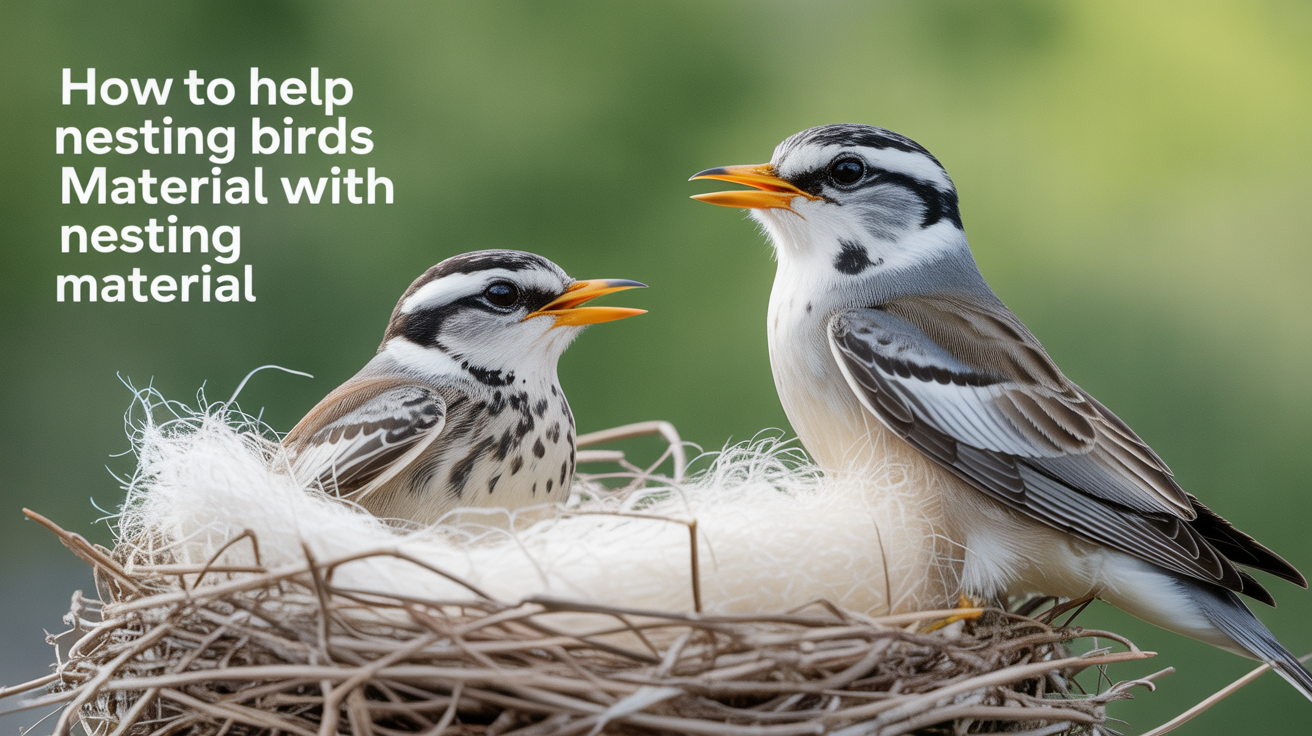
Putting out nesting material for birds is one of the easiest ways to make your yard genuinely useful to them during breeding season. The catch is that not everything soft and fluffy is safe, and a few common materials can seriously harm the birds you're trying to help.
Why Nesting Material Matters
Birds spend a surprising amount of energy gathering material before a single egg is laid. A female house wren may make hundreds of trips carrying sticks to fill a nest box cavity. A chickadee packs a cup of moss and plant down into the bottom of a hollow. A robin mixes mud with dry grass and works it into shape over several days.
All that gathering takes time that could otherwise go toward foraging or avoiding predators. When good material is abundant close to home, nesting birds spend less energy on the build and more on incubating and feeding chicks. That small efficiency can tip the balance during a season with poor weather or a late cold snap.
The other reason to pay attention to what you put out: bad materials can injure or kill birds. Wildlife rehabilitators treat birds for this every spring. A few minutes checking your offering against a short list is all it takes.
Safe Nesting Materials to Put Out
The best nesting material for birds is whatever would turn up naturally in a healthy yard. Stick close to natural, plant-based, short-length options and you will be on solid ground.
Dry grass clippings: Grass cut without herbicides or pesticides and allowed to dry completely before offering. Keep pieces under four inches so they don't tangle. Wet clippings mold fast and should not go out.
Plant fiber and cotton batting: Undyed, natural cotton pulled into small, loose tufts. Some birding suppliers sell it in mesh bags or loose form specifically for this. Avoid anything that says "treated" or lists synthetic ingredients.
Straw and dried plant stems: Short sections of natural straw, dried cattail fluff, or the fluffy seed heads of plants like clematis or milkweed (once seeds have dispersed). These are particularly useful for cavity nesters that carry soft liner material.
Moss: Fresh or dried moss gathered from your own yard. Chickadees, titmice, and some warblers use it heavily. Pull it loose so birds can take small pieces rather than wrestling with a solid clump.
Feathers: Loose feathers from domestic poultry or naturally molted wild feathers (check your local regulations; handling feathers of protected migratory species can be restricted). Small, downy feathers are ideal. Bluebirds will grab a feather almost immediately if one blows across the yard.
Bark strips: Thin, papery strips of naturally exfoliating bark from birch or grapevine are used by nuthatches and wrens for nest building.
Twigs and small sticks: Thin, dry twigs under six inches work for robins, doves, and other open-cup nesters. Leave them in a low pile near the ground rather than elevated.
A rough quantity guide:
| Material | Useful Quantity to Offer | Notes |
|---|---|---|
| Dry grass | Small handful at a time | Refresh every few days |
| Cotton tufts | A loose ball, golf-ball sized | Replace if it gets wet |
| Feathers | 5-10 loose feathers | Scatter on the ground or a low platform |
| Moss | A few handfuls | Works in a mesh bag or on a platform |
| Short twigs | A small pile on the ground | Leave accessible near shrubs |
Materials to Avoid (and Why)
Some popular recommendations you may have seen circulating online can cause real harm. Here is what to keep out of your yard.
Dryer lint: This one shows up on a lot of well-meaning lists, but dryer lint is a problem. It is not pure cotton or wool. It contains synthetic fibers from polyester clothing, detergent residue, and fabric softener chemicals. Lint absorbs water readily, mats down into a dense, slow-drying layer, and can cause chick hypothermia when it gets wet in the nest cup. Skip it entirely.
Human hair: Individual hairs look thin and harmless, but they are extremely strong and do not break down. Baby birds and adult birds get their legs and toes entangled in human hair. This is a documented cause of toe and leg loss in nestlings, and wildlife rehabilitators see it regularly. Even a single hair wrapped around a tiny leg can cut off circulation. Keep it out.
Pet fur treated with flea or tick products: Topical flea and tick treatments contain insecticides that persist in the fur for weeks after application. Birds building nests with that fur bring those chemicals directly into a cup where eggs and hatchlings will sit. If you brush a pet that has been treated recently, do not put that fur out as nesting material. Untreated fur from pets that have been off topical products for at least a month is lower risk, but short pieces only and not in large quantities.
Long synthetic threads or yarn: Craft yarn, string, and twine longer than a few inches can wrap around legs and necks. Birds do not always weave material in smoothly; they tuck, pull, and reposition it. A loop of yarn can become a snare. If you want to offer natural yarn or twine, cut it into pieces no longer than two to three inches.
Plastic fibers and ribbon: No plastic. It does not break down, it frays into sharp strands, and it does not provide insulation the way organic material does.
Wet or moldy material: Any material that has gotten wet and not fully dried before offering should be discarded. Mold in a nest can cause respiratory problems in chicks.
The short rule: if it is synthetic, chemically treated, or long enough to loop around a leg, leave it out.
How to Offer Nesting Material
There are a few simple ways to make nesting material easy for birds to find and use.
Suet-style cage or mesh bag: A small mesh bag or open-weave wire cage hung at mid-height works well for soft materials like cotton fiber, feathers, or moss. Birds hover, cling, and pull out what they need. Keep the mesh opening large enough that birds do not get toes caught (roughly one-inch openings work).
Open platform or tray: A flat tray feeder or a section of clean fence rail works for dry grass, feathers, and small sticks. Low to the ground works especially well for ground-nesters and open-cup builders like robins and doves.
Loose pile near shrubs or brush: Placing a small pile of dry grass or straw near dense shrubs mimics where birds often find natural material. Shrubs also give birds cover while they assess the pile.
Hanging bundle: Tie a loose bundle of dried plant stems and hang it from a branch. Wrens, in particular, will pull it apart methodically.
Change out materials that get wet or start to compact before birds use them. Fresh, dry material is more attractive and safer.
For more on where to set up nesting habitat in your yard, see our guide on where to place a nest box for the best results. If you are also putting up boxes, nest box hole sizes for different birds covers what each species needs. And if you are building your own, how to build a birdhouse: plans and tips has the dimensions and construction details.
When to Put Out Nesting Material
Timing depends on your region and the species you are hoping to help. A general guide:
- Late winter through early spring: Cavity nesters like bluebirds and tree swallows begin scouting nest sites early, sometimes while there is still frost at night. Start putting out softer liner materials like feathers and cotton fiber.
- Spring through early summer: Peak nest-building season for most backyard species. Keep materials fresh and replenish after rain.
- Mid to late summer: Some species raise second or third broods. Maintain a supply if you are seeing active nest building.
Leave materials out later than you think you need to. Many birds nest into July and August, and late breeders can benefit just as much.
Frequently Asked Questions
Can I put out pet fur as nesting material? Only if the pet has not been treated with topical flea or tick products recently. Chemicals in those treatments persist in fur and can be harmful to nestlings. If your pet is on a treated preventative, keep that fur out of the yard. Untreated fur in short pieces is generally fine, but cut it to under two inches to reduce entanglement risk.
Is dryer lint safe for bird nests? No. Despite old advice suggesting it, dryer lint contains synthetic fibers, detergent residue, and fabric softener compounds. It also absorbs water and takes a long time to dry, which can chill nestlings. Use natural cotton fiber or dry grass instead.
What is the best nesting material for bluebirds? Bluebirds build with dry grass and pine needles for the main cup, then line it with finer, softer material. Feathers are a favorite lining material. Put out small, loose feathers and short dry grass. They will typically ignore cotton fiber.
How do I keep nesting material dry in my yard? Use a small covered platform or a mesh bag hung under a roof overhang. Replace anything that gets soaked during rain. Wet material can mold within a day or two, which makes it unattractive and potentially harmful.
Will putting out nesting material attract birds that don't normally visit my yard? It can, yes. Species that do not visit seed feeders, like certain warblers or flycatchers, may stop by to collect material during nesting season. A supply of natural fiber and dry grass in a quiet corner of the yard is worth trying even if you rarely see those birds otherwise.