Seasonal Birding
How to Feed Birds in Winter
Learn which high-energy foods keep backyard birds fed through cold months, how to set up feeders for winter, and what really matters when temperatures drop.
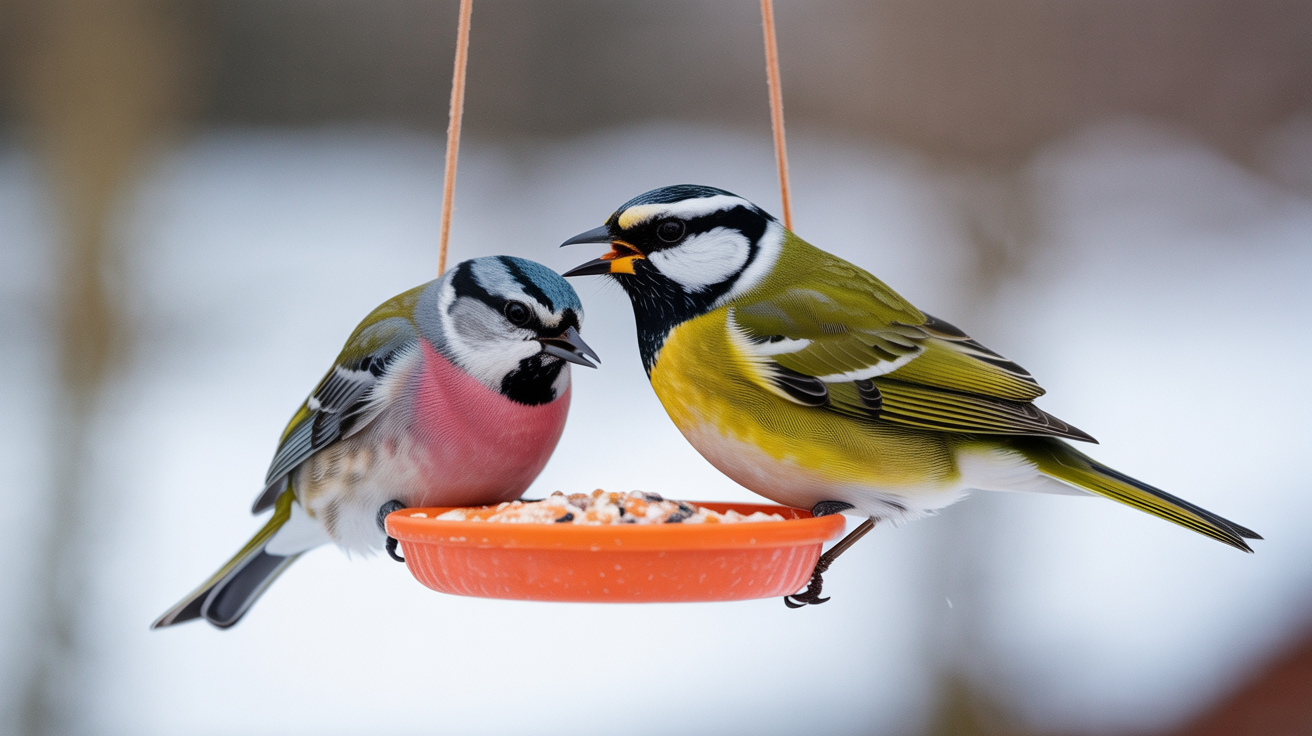
Winter bird feeding is one of the most rewarding things you can do for local wildlife, and it pays off in species you rarely see the rest of the year. When natural food sources are buried under snow or simply gone, your yard can become a genuine lifeline for species like Dark-eyed Juncos, White-throated Sparrows, and Black-capped Chickadees.
Why Winter Feeding Matters More Than You Might Think
Birds in cold climates need a caloric surplus just to maintain body temperature overnight. A Black-capped Chickadee, for instance, can lose up to 10% of its body weight on a single cold night and must replace those reserves by mid-morning the next day. That's not a metaphor for being hungry; it's a metabolic reality.
Natural food doesn't disappear entirely in winter, but it becomes patchy. Wild fruit gets depleted by December in most of the northern U.S., weed seeds get buried under ice crusts, and insect populations drop to near zero. Feeders don't replace all of that, but they reduce the distance birds travel to meet their caloric needs, which directly affects survival odds during cold snaps.
There's also a less discussed benefit: once birds know your yard is reliable, they tend to return season after season. The juncos that visit your feeder in January are often the same individuals from previous years.
The Best Foods for Winter Bird Feeding
Not all seed is equal in winter. The key word is fat content, because fat delivers more calories per gram than carbohydrates or protein. Here's how the main options stack up:
| Food | Primary Users | Fat Content | Notes |
|---|---|---|---|
| Black-oil sunflower seed | Chickadees, nuthatches, finches, cardinals | ~28% | Thin shell; most birds can crack it |
| White proso millet | Juncos, sparrows, doves | ~4% | Best offered on platform or ground |
| Safflower seed | Cardinals, chickadees, doves | ~38% | Squirrels and starlings largely ignore it |
| Nyjer (thistle) | Goldfinches, Pine Siskins, redpolls | ~35% | Requires fine-port tube feeder |
| Suet (rendered beef fat) | Woodpeckers, nuthatches, wrens | ~80%+ | Fastest calorie delivery; avoid in hot weather |
| Shelled peanuts | Jays, woodpeckers, nuthatches | ~49% | No shell = faster eating; watch for rancidity |
| Safflower chips | Cardinals, titmice | ~38% | Less mess than whole seed; no hulls |
Black-oil sunflower seed is the single best general-purpose choice if you're only going to buy one thing. The thinner shell compared to striped sunflower lets more species access it, and the fat and protein content is high enough to matter in cold weather.
Suet deserves its own emphasis. During a genuine cold snap, a suet cake can be the difference between a Downy Woodpecker making it through the night or not. Standard suet cakes cost around $1.50 to $2.50 each and last a week in cold weather (less in mild temperatures, where they go rancid faster). In very cold climates, no-melt or high-energy suet blends are worth the slight price premium.
Nyjer seed is expensive per pound (typically $1.50 to $2.00/lb) but draws goldfinches, Pine Siskins, and Common Redpolls reliably in winter. Goldfinches retain their dull olive winter plumage from October through March, so don't assume you have no goldfinches just because you're not seeing bright yellow birds.
What Not to Bother With
Mixes labeled "wild bird seed" at grocery stores often include large percentages of milo (sorghum), wheat, and oats. Most desirable birds ignore these fillers, and they attract House Sparrows. You'll spend more over a season buying grocery-store mix than you would buying quality seed directly.
Bread, crackers, and cooked foods are not appropriate for backyard birds at any time of year. They fill birds up without providing useful nutrition and can cause digestive problems.
Setting Up Your Winter Feeder Station
Feeder Placement and Wind Protection
Place feeders within 3 feet of a window or more than 10 feet away from one. The first distance is counter-intuitive but works: birds that hit a window from 3 feet or less are moving too slowly to injure themselves. The dangerous zone is 4 to 10 feet, where birds have built up enough speed to cause real harm.
For winter specifically, a feeder on the south-facing side of the house benefits from reflected heat off the wall and some wind protection. Placing feeders near shrubs or a brush pile gives birds a nearby place to perch and wait, which matters more in winter when exposed perching means losing heat faster.
A brush pile built from pruned branches is genuinely valuable: species like Song Sparrows, White-throated Sparrows, and Hermit Thrushes will shelter there and use nearby ground feeders. It costs nothing.
Feeder Types That Work Best in Winter
A tube feeder with a weather baffle keeps sunflower seed dry during snow and ice. A wet, frozen seed mass can block ports entirely. Baffles above feeders ($15 to $30 for a basic one) aren't primarily about squirrels in winter; they're about keeping seed usable.
A platform feeder with drainage holes placed on a deck railing or post handles millet, safflower chips, and hulled sunflower well. Platform feeders get the widest variety of ground-feeding species, including juncos, sparrows, and doves that won't use hanging tube feeders.
Wire suet cages are the simplest possible feeder and clinging specialists like Downy and Hairy Woodpeckers, White-breasted Nuthatches, and Brown Creepers use them confidently. A double cage (two suet cakes) is worth having in genuinely cold regions.
Keeping Water Available
Liquid water matters as much as food in winter, particularly during cold snaps when natural water sources freeze. A heated birdbath with a built-in thermostat runs on 50 to 150 watts and keeps water around 40°F without boiling it. They run roughly $35 to $80. Adding a dripper or wiggler to a heated bath draws attention via the sound and movement of moving water.
If you don't want to buy a heated bath, placing a dark-colored basin in direct sun can keep water liquid through mild cold stretches, though it won't work below about 20°F.
Maintaining Feeders Through the Winter
Cleaning and Seed Freshness
Wet seed molds quickly, and moldy seed can make birds sick. After any ice storm or prolonged rain, it's worth emptying a tube feeder and checking the seed inside. Caked seed at the bottom of a tube feeder is a warning sign; it means the feeder lacks drainage or the seed sat wet too long. Dump it.
Clean feeders every two to four weeks with a 10% bleach solution (1 part bleach to 9 parts water), rinse thoroughly, and let dry completely before refilling. A bottle brush and a spare tube feeder let you swap and clean without leaving feeders empty.
Platform feeders and trays need even more attention because birds defecate near the seed. After any period of heavy use, scraping and rinsing matters.
Snow and Ice Management
After a snowstorm, clear the seed tray and feeder perches before birds arrive in the morning. Ground-feeding species like juncos will follow you out the door when you do this; they learn the pattern quickly.
Throwing a handful of seed on a cleared patch of snow creates an instant ground feeding station and costs nothing extra. It's useful for species that won't come to elevated feeders at all, including Fox Sparrows and American Tree Sparrows.
Which Birds to Expect at Winter Feeders
Winter feeders in the eastern and central U.S. typically attract a more predictable cast than summer feeders do, though the exact species vary by region and year.
Core year-round birds at most winter feeders: Black-capped or Carolina Chickadee, White-breasted Nuthatch, Downy Woodpecker, House Finch, Northern Cardinal (males are hard to miss against snow).
Winter visitors that leave in spring: Dark-eyed Junco (arrives October, departs March-April), White-throated Sparrow, American Tree Sparrow, Red-breasted Nuthatch (irregular; irrupts south in years when northern cone crops fail).
Irruptive winter finches that appear in some years but not others: Common Redpoll, Pine Siskin, Evening Grosbeak, Purple Finch. These are tied to northern food crop failures and can appear in large numbers during irruption years. Nyjer and sunflower seed draw them most reliably.
Knowing the calendar helps: if you don't recognize a small brown sparrow at your feeder in January, it's almost certainly a White-throated or White-crowned Sparrow, not a House Sparrow. The shape of the face pattern separates them at a glance once you know what to look for. See Helping Birds Survive Cold Snaps and Snow for more on caring for these species through the hardest conditions.
When to Stop Feeding
There's no hard date when winter feeding needs to end. Most birders continue through the end of March in northern states. The practical signal is when you notice the winter-only species (juncos, White-throated Sparrows) have departed and the residents are clearly finding natural food again.
A persistent myth: feeding birds in late winter stops them from migrating. This is not how migration works. Migration timing is controlled by day length, not food availability. Keep feeding as long as birds are coming. For a sense of what comes next after the winter crowd departs, Spring Migration: What to Watch For covers which species to expect from April onward.
The flip side is also worth knowing: summer bird feeding brings its own considerations, from nectar and fruit for orioles to switching away from suet in heat. Summer Bird Feeding: What Changes covers the seasonal shift.
Frequently Asked Questions
How much seed should I put out each day in winter?
Start with what your feeders hold and watch how fast it disappears. In cold snaps with a lot of bird traffic, a busy tube feeder might need refilling daily. In mild stretches, the same feeder might last three or four days. The goal is that feeders are never completely empty for more than a day or two, not that you hit a specific quantity. A 10-pound bag of black-oil sunflower seed typically runs $8 to $14 and lasts one to three weeks depending on traffic.
Is it bad to stop feeding birds in winter if I started in fall?
The concern here is overstated. Birds do not become dependent on your feeder to the point where they can't survive without it. They always use multiple food sources simultaneously. If you need to stop for a vacation or other reason, the birds will shift to other sources. That said, consistency through the coldest weeks of winter matters more than continuity through the whole season, so if you're going to scale back, doing it in late March is less consequential than doing it in January.
Do I need to worry about bird feeders spreading disease in winter?
Yes, but it's manageable. The main diseases to be aware of are salmonellosis, aspergillosis (from moldy seed), and House Finch eye disease (Mycoplasmal conjunctivitis), which causes swollen, crusty eyes. The best prevention is cleaning feeders on a regular schedule and removing wet or caked seed promptly. If you see a bird with obvious eye trouble or illness at your feeder, take the feeder down for two weeks, clean it thoroughly, and put it back up. Do not attempt to catch or treat sick birds yourself; contact a licensed wildlife rehabilitator if you find a grounded bird.
What's the best way to keep suet from going rancid in mild winter weather?
No-melt or high-temperature suet formulations use a harder rendered fat base and hold up better above 40°F. Standard suet cakes soften and can spoil within a few days when daytime temperatures climb above 50°F. In the shoulder seasons of November and early March, using no-melt suet or offering it only during colder stretches makes more practical sense than a full cage year-round.
Should I put out grit or eggshells for birds in winter?
Coarse grit (crushed granite, not sand) helps seed-eating birds grind food in their gizzards and is genuinely useful when the ground is frozen solid. A small pile near a platform feeder is easy to provide. Crushed, baked eggshells provide calcium, which matters more for nesting females in spring, but they don't hurt to put out. Both are optional extras rather than essentials.