Seasonal Birding
Helping Birds Survive Cold Snaps and Snow
Learn how to help birds in winter with the right foods, water, and shelter. Practical tips for cold snaps, ice storms, and deep freezes.
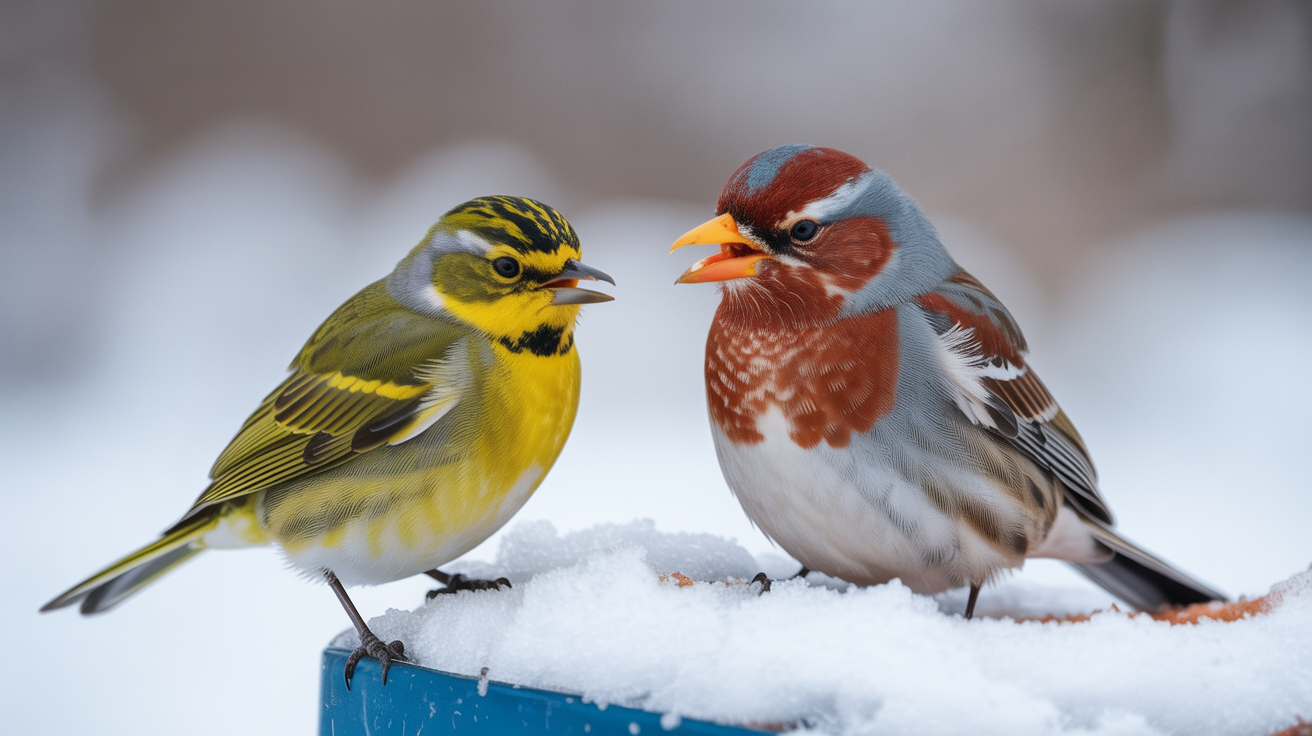
The best thing you can do to help birds in winter is keep high-fat food and open water available during the 48 hours before and after a major cold snap. That window is when their energy reserves are most stressed. Everything else, from roosting boxes to windbreaks, builds on that foundation.
Why Cold Weather Is Hard on Birds
Birds are warm-blooded and maintain a core temperature around 104°F (40°C). On a 10°F night, a Black-capped Chickadee can lose up to 10% of its body weight keeping warm, which means it has to spend almost every daylight hour eating. Smaller species are hit hardest because they have a higher surface-area-to-volume ratio and lose heat faster.
Ice storms cause particular problems. When rain freezes on branches and feeders, birds can't grip perches and seeds become locked under a shell of ice. Sparrows and juncos that normally forage on bare ground are suddenly out of options.
A few things homeowners actually control:
- Caloric density of food. Suet, black-oil sunflower, peanuts, and safflower are higher in fat than cheap millet mixes.
- Liquid water. Heating elements keep water thawed when air temps drop below 32°F.
- Physical shelter. Dense shrubs, brush piles, and roosting boxes cut wind and retain heat overnight.
The Best Foods for Cold-Weather Birds
Not all seed is equal when temperatures drop. Birds need calories they can convert quickly to body heat, so fat content matters more in winter than at any other time of year.
| Food | Fat content (approx.) | Best for | Notes |
|---|---|---|---|
| Suet cake (plain beef) | 50–60% fat by weight | Woodpeckers, nuthatches, chickadees | Melt-resistant "no-melt" suet OK above 20°F; plain beef tallow is fine in hard freezes |
| Black-oil sunflower seed | ~28% fat | Almost everything | Thin shell is easy to crack; far better than striped sunflower for small bills |
| Shelled peanuts (halves) | ~50% fat | Blue Jays, Tufted Titmice, woodpeckers | Skip the feeder; spread on a platform; check for mold after snow |
| Safflower seed | ~38% fat | Cardinals, House Finches, doves | Squirrels typically ignore it |
| Nyjer (thistle) | ~35% fat | American Goldfinches, Pine Siskins, redpolls | Needs a tube feeder with small ports; damp nyjer clumps and should be replaced |
| White millet | ~4% fat | Juncos, sparrows, towhees | Low fat but useful because it scatters on the ground where these birds forage |
What to skip: mixed "wild bird" blends loaded with red millet, milo, and oats. Most songbirds scratch those aside and the debris rots under snow.
For a deeper look at which seeds attract which species, the feeding guide has species-by-species breakdowns and feeder setup advice.
Timing Your Refills
Refill before a storm arrives, not after. If the forecast shows 8 inches of snow overnight, top off every feeder the afternoon before. Birds start feeding at first light and a feeder that empties by 8 a.m. on a 5°F morning is a real problem for the species relying on it.
During multi-day events, check feeders twice a day. Snow can cap tube feeders, blocking the ports entirely.
Keeping Water Available in Winter
Water is harder for birds to find in winter than food. Snow is not a useful source for small birds because digesting it requires body heat they can't spare. A bird bath that stays liquid is one of the highest-value things you can add to a winter yard.
Heated bird baths are the standard solution. Most use a 50- to 150-watt submersible or base-mount heating element that thermostatically cycles on below 35°F and off above 40°F, so they don't run constantly. A basic model costs $25–$50 at hardware stores; a dedicated heated bath with a built-in element runs $60–$120. The birding supply company API sells one of the more common models, but any brand with a UL-listed thermostat works fine.
If you already have a concrete or plastic bath, a separate de-icer (also called an immersion heater) drops in and does the same job for $20–$35. Don't use one in a ceramic or glazed bath; freeze-thaw cycles crack them even with heating.
Placement tip: Put the bath where you can see it from inside. Birds will use it most in the morning and again in late afternoon. Keep it within reach of a garden hose or a bucket so you can top it off without a long trip in the cold.
What not to add: antifreeze, glycerin, salt, or any chemical. Birds drink and bathe in whatever is in there.
Providing Shelter From Wind and Cold
Natural Cover Already in Your Yard
Dense evergreens are the single best winter roost site for most small birds. American Robins, Cedar Waxwings, White-throated Sparrows, and kinglets pack into arborvitae and spruce on cold nights. If you have a hedge of Eastern red cedar or a spruce windbreak, resist the urge to prune it back in fall. The interior of an unpruned 10-foot arborvitae stays several degrees warmer than the surrounding air on a still night.
Brush piles do real work too. A pile of brush 4–5 feet high from fallen branches gives Song Sparrows, Hermit Thrushes, and Carolina Wrens a place to sit out sleet storms. Let one corner of the yard go intentionally ragged; it doesn't need to be decorative.
Roosting Boxes
A roosting box is essentially a birdhouse optimized for warmth rather than nesting. The differences from a standard nest box:
- Entry hole is near the bottom of the box, not the top, so rising warm air stays trapped inside
- Interior has multiple dowel perches at different heights, allowing several birds to roost together (Eastern Bluebirds, Carolina Wrens, and chickadees will pack in)
- Wall thickness of 3/4 inch or more to slow heat loss
You can buy a pre-made roosting box for $30–$60 or adapt a standard bluebird box by temporarily blocking the ventilation holes with weatherstripping tape in January. Remove it in March — ventilation matters again for nesting. Mount roosting boxes on a south- or southeast-facing wall or post, out of the prevailing north and west winds.
One honest caveat: roosting boxes work well in some yards and sit unused in others. Placement, local bird population, and whether there's existing cover nearby all factor in. Don't invest $80 in a box and feel defeated if birds prefer the spruce in the corner.
What to Do During Extreme Cold Snaps (Below 0°F)
Single-digit and sub-zero stretches require a more attentive approach. A few practical adjustments:
- Switch to block suet instead of caged suet. Commercial suet cages can become slippery with ice. A large suet block in a mesh feeder gives birds more surface area to cling to.
- Add a second feeder. At -5°F, territorial birds at a single feeder can exclude subordinate species. A second platform feeder 20 feet away reduces competition.
- Clear snow from feeders and ground feeding areas. Use a soft brush, not a scraper, on plastic feeders. Scatter seed on swept pavement or a cleared flat surface for juncos and sparrows.
- Don't disturb roost sites in the early morning. Birds that sheltered overnight in a roost box or dense shrub need time to warm up before they fly. Wait until after 8 or 9 a.m. before doing yard work near known roost spots.
- Check water twice. Even with a heater, ice can form around the element during very cold nights if the wattage is marginal. Crack the surface if needed.
If you find a bird that seems lethargic, cannot fly, or is sitting on the ground during daylight hours, contact a licensed wildlife rehabilitator. Your state wildlife agency's website will list local contacts. Cold stress and collision injuries look similar to an untrained eye, and handling migratory species without a permit is not legal in most states.
How Winter Feeding Connects to the Rest of the Year
The birds you attract in January and February are often the same individuals who stay and breed in your yard come spring. Consistent feeding through cold snaps builds a local population of birds that know where to find reliable food, which means better spring migration activity and more nesting pairs nearby.
By late summer, natural food becomes plentiful and feeders become less critical. If you're curious about adjusting your setup across seasons, the summer bird feeding guide covers what changes and what you can safely scale back.
Frequently Asked Questions
Should I stop feeding birds in winter?
No — if you've been feeding regularly, stopping abruptly during a cold snap can leave birds scrambling for an alternative source they may not find quickly. If you want to wind down feeding, do it in early spring when natural food is coming back, not mid-January.
Do birds freeze to death overnight?
Healthy birds in reasonable body condition almost never freeze to death in normal winter weather. They have sophisticated adaptations: fluffing feathers to trap air, lowering their metabolic rate at night (torpor, especially in hummingbirds and some other species), and choosing sheltered roost sites. Mortality spikes occur after multi-day ice storms that lock up food sources for 3 or more days straight, or when a sudden cold snap follows a warm stretch that left birds underweight.
How cold is too cold to put suet out?
The concern runs in the other direction: suet gets too warm, not too cold. In temperatures below 20°F, standard suet is fine and sets up firm. The "no-melt" or "summer" formulas marketed for heat resistance contain extra fillers and can have lower fat content than plain beef tallow suet — in deep winter, the plain stuff is actually better.
Do I need a roosting box if I already have nest boxes up?
Nest boxes do provide some overnight shelter, but standard designs have the hole near the top, which lets warm air escape. Birds will use them in a pinch. A dedicated roosting box is better if you want to support a small flock of bluebirds or wrens through a hard freeze, but it's a supplement, not a necessity for most yards.
What about feeding bread or kitchen scraps in cold weather?
White bread, crackers, and most processed food offer almost no fat or protein. A chickadee eating bread instead of sunflower seed is filling up on empty calories at the worst possible time. Cooked plain oatmeal, unsalted peanut butter smeared on a pine cone, and plain raisins (softened in water) are better options if you want to use kitchen items. Avoid anything salted, spiced, or containing xylitol.