Attracting Birds
How to Attract Cardinals to Your Yard
Learn how to attract cardinals with the right feeder, food, and habitat. This practical guide covers what cardinals eat and how to keep them coming back.
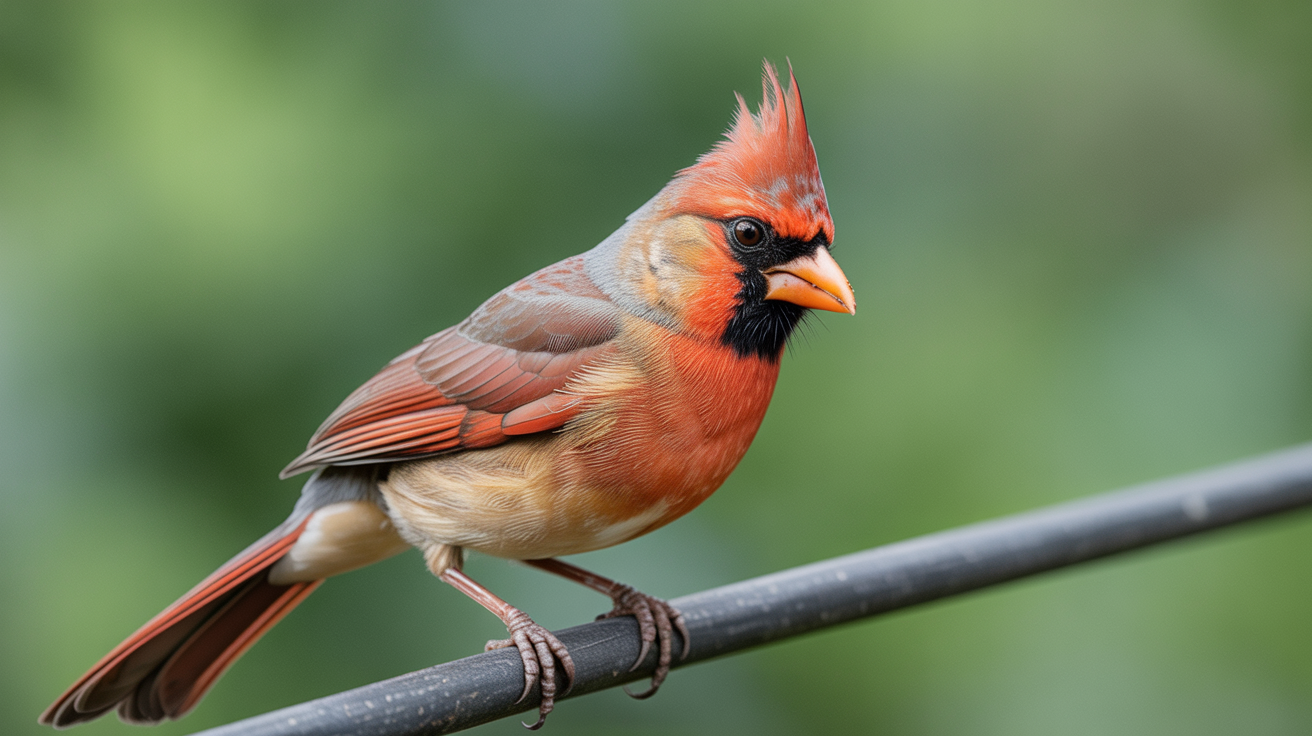
Northern Cardinals are one of the easiest birds to pull into a backyard once you know what they want: the right food, a feeder placed at the right height, and enough cover nearby to make them feel safe.
At a Glance
- Best food: black-oil sunflower seed first, safflower second, white millet scattered on the ground as a third option.
- Best feeder: platform or hopper style with wide, flat perches. Cardinals are too big for short tube-feeder perches.
- Placement: four to six feet off the ground, within ten to fifteen feet of dense shrubs or a hedge.
- Habitat that seals the deal: thorny or dense shrubs four to eight feet high for nesting, plus evergreens for winter cover.
- Patience window: give a new feeder two to three weeks before assuming it isn't working.
- Skip these: milo, nyjer, and "economy" mixes heavy in filler grain. Cardinals mostly leave them untouched.
What Cardinals Eat
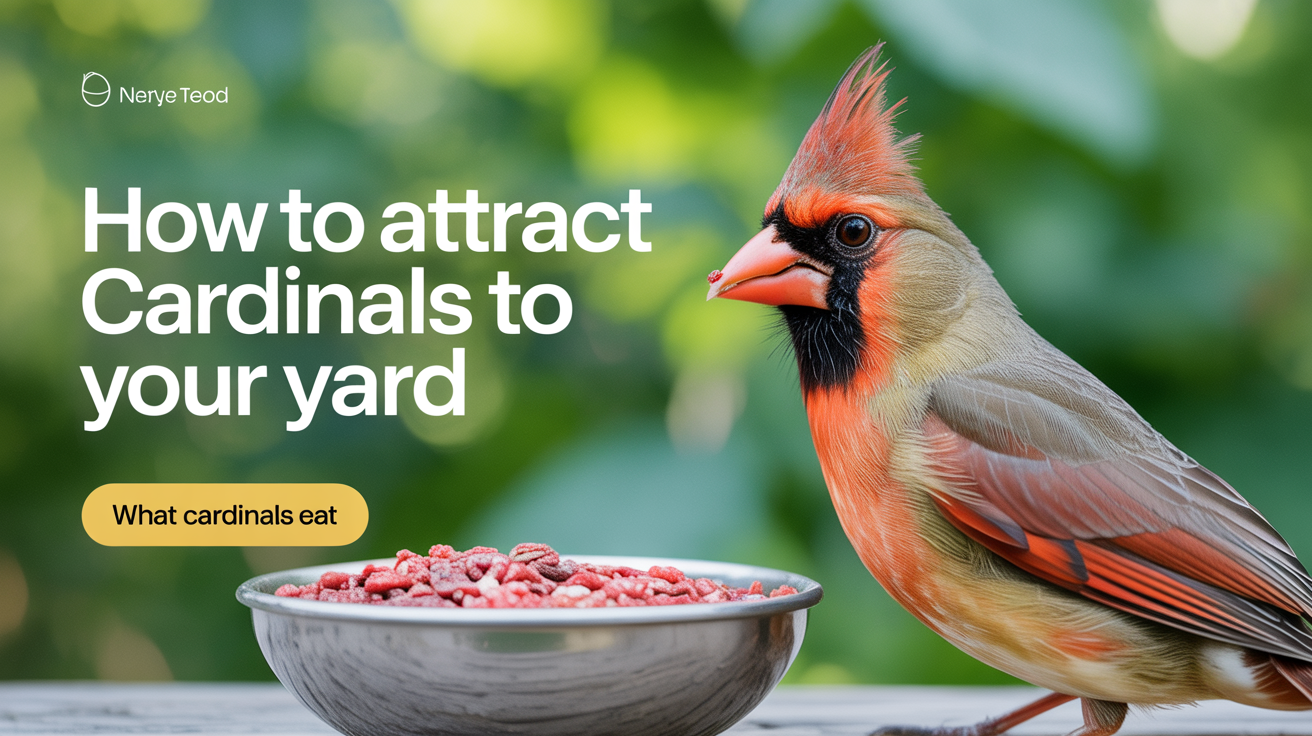
Cardinals are seed eaters, but they are particular about which seeds. Understanding what cardinals eat is the first step to getting them to show up reliably. According to the Audubon Field Guide, the species "readily comes to bird feeders, where it favors sunflower seeds," alongside the weed seeds, waste grain, insects, and berries it forages for on its own.
Black-oil sunflower seeds are the gold standard. They have thinner shells than striped sunflower, so cardinals can crack them with less effort. A hopper or platform feeder stocked with black-oil sunflower will draw them faster than almost anything else.
Safflower is a close second and has the bonus of being less appealing to squirrels and European starlings. Many cardinals take to safflower immediately; others need a week or two to get used to it. It is worth offering if pests are raiding your feeders.
White millet rounds out a solid cardinal food mix. Cardinals often drop to the ground below feeders to pick it up, so scattering a small handful on bare dirt or a low tray works well.
Seeds worth skipping:
- Milo (sorghum), which cardinals rarely touch
- Mixed "economy" bags heavy in filler grains
- Nyjer (thistle), sized for finches, not cardinal bills
Cardinals also eat insects during breeding season, when they need protein to feed nestlings. In fall and winter, wild berries become a major part of their diet. Dogwood, holly, sumac, and serviceberry are among the fruits they seek out, so planting these near your feeding area gives cardinals a reason to stay close even when the feeder runs low.
Seed Comparison at a Glance
| Seed type | Cardinal appeal | Squirrel/starling resistance | Cost per pound | Notes |
|---|---|---|---|---|
| Black-oil sunflower | Excellent | Low (squirrels love it too) | Low | The default choice; thin shell is easy for cardinals to crack |
| Safflower | Very good | High | Medium | Slower start for some birds, but pests mostly leave it alone |
| White millet | Good, ground-feeding | Medium | Low | Best scattered on a tray or bare ground, not in a hanging feeder |
| Milo (sorghum) | Poor | Low | Very low | Cardinals mostly toss it aside; wastes feeder space |
| Nyjer (thistle) | Poor | Medium | High | Sized for finch bills, not worth it for cardinals specifically |
If squirrels are cleaning out your feeder before cardinals get a turn, shifting the bulk of your mix toward safflower is usually the single most effective fix, more effective than most squirrel-baffle hardware on its own.
Picking the Right Cardinal Feeder
Cardinals are larger than most backyard birds. Males run close to nine inches from bill to tail, so feeder design matters. A cramped tube feeder with short perches will frustrate them and they will move on.
Platform feeders are the most reliable cardinal feeder choice for most yards. The open tray gives them room to stand and turn comfortably. The tradeoff is that seed gets wet and spoils faster, so look for a model with drainage holes and plan to refresh the seed every few days.
Hopper feeders (the barn or house-shaped style) work well too. They hold more seed, protect it from rain better than open trays, and usually have wide enough perches for cardinals to feed without being crowded out by smaller birds.
Tube feeders can work if the seed port is large and the perch extends far enough for the bird to stand flat-footed. Short, half-inch perches are built for goldfinches and chickadees, not cardinals. If you use a tube feeder, look for models advertised as "cardinal" or "large bird" feeders.
Placement matters as much as feeder type. Cardinals feel more exposed in the open than smaller birds do. Hang or mount feeders four to six feet off the ground, within ten to fifteen feet of shrubby cover. They like to approach through branches before dropping down to eat rather than flying directly in from open air. A feeder positioned against a fence line, near a hedge, or under a tree canopy will see more cardinal traffic than one stuck out in the middle of the lawn.
For more on matching feeders and seed to the birds you want to attract, see our guide to attracting more birds to your yard.
Building the Right Habitat
Food brings cardinals in for a visit. Habitat is what gets a pair to stay through the year.
Dense shrubs and thickets are the priority. Cardinals nest and roost in low to mid-level shrubs, preferring spots with thorns or dense branching that make the nest hard to spot from above. Forsythia, viburnum, hawthorn, and native roses all work well. They typically nest between four and eight feet off the ground.
Evergreens for winter cover. Once deciduous leaves drop, cardinals rely on evergreen shrubs and trees for shelter. A planting of arborvitae, native holly, or spruce near the feeding area gives them a place to retreat during storms and cold nights without abandoning the feeding zone entirely.
Brush piles. A loose pile of downed branches or pruned shrubs in a back corner of the yard gives cardinals somewhere to forage for insects and seeds in the leaf litter. It looks scrubby, but it gets used.
For ideas on building a yard that works for multiple species year-round, see native plants that attract birds and our full overview of how to make a bird-friendly garden.
Water, Timing, and Consistency
Cardinals drink and bathe regularly. A birdbath within sight of the feeding area, kept clean and filled, will draw them in during dry stretches even when seed interest slows.
A few birdbath tips that make a real difference:
- Keep the water no deeper than two inches so birds can stand comfortably
- Position the bath near cover, since birds want a quick escape route if they are startled
- Refresh the water every one to two days to prevent algae and mosquito larvae
- In cold climates, a heated bath or a model rated for freezing temperatures keeps water available when ponds and puddles are locked up
Seasonality. Cardinals are year-round residents across most of the eastern United States and have expanded their range into parts of the Southwest. Feeder activity tends to pick up in late fall and early winter when wild food supplies thin out, and again in late winter when birds are scouting territory ahead of breeding season. Summer traffic is lighter but does not disappear entirely.
Be patient in the first few weeks. Cardinals are creatures of habit. Once a male locates a reliable food source, he typically returns at the same times each day. If you set up a feeder in a new spot, give it two to three weeks before worrying that nothing is coming. Cardinals scout an area from a distance before committing to a new feeding station. Keep the feeder topped off during that window, since an empty feeder teaches birds to look elsewhere.
Frequently Asked Questions
How long does it take to attract cardinals to a new feeder? Most yards in cardinal range start seeing visits within one to three weeks of setting up a stocked feeder. If your feeder has been out longer than that with no action, try moving it closer to shrubby cover and double-check that you are offering black-oil sunflower or safflower rather than a filler-heavy mix.
Do female cardinals visit feeders? Yes, females visit just as often as males. They are a warm buffy brown with reddish highlights on the crest, wings, and tail rather than the all-red of the male. The crest is the giveaway, since both sexes share it and it is distinctive once you know to look for it. It is easy to miss females if you are scanning for the red birds specifically.
Will cardinals come to a feeder in summer? They will, though summer traffic is lighter than fall and winter. Cardinals shift toward insects and wild berries during the breeding season. Keep the feeder stocked, since adults still stop by, and juvenile cardinals (dull brownish all over with a dark bill and no red) start appearing at feeders a few weeks after they fledge.
What is the best cardinal food for winter? Black-oil sunflower seeds are the best single option year-round. Safflower also works well in winter since it stays fresh longer in cold air than in summer humidity. Avoid cheap mixes loaded with milo, since cardinals will toss it aside and waste seed searching for the good stuff.
Should I worry about outdoor cats near the feeder? Yes. Outdoor and feral cats are the single largest direct, human-caused source of bird mortality in the United States, killing an estimated 2.4 billion birds a year according to the American Bird Conservancy, and ground-feeding species like cardinals are especially exposed. If cats visit your yard, position feeders high enough that birds have a clear flight path, and keep ground cover tight around the feeder base rather than loose enough for a cat to hide. Dense, thorny shrubs near the feeding area give cardinals cover while being less comfortable for cats to sit in. Keeping any pet cats indoors, or on a leash and harness when outside, removes the risk entirely.
Do cardinals use the same feeder as other birds, or do they need their own? They will share a platform or hopper feeder with chickadees, titmice, and finches without much conflict, since cardinals are not especially territorial at the feeder itself. The bigger issue is physical fit rather than temperament: if smaller birds are crowding a single perch, adding a second feeder or a wider platform usually solves it faster than trying to dedicate one feeder to cardinals alone.