Getting Started
Common Backyard Birding Mistakes Beginners Make
Avoid these common backyard birding mistakes that keep birds away. Practical beginner tips on feeders, placement, seed, and habitat that actually work.
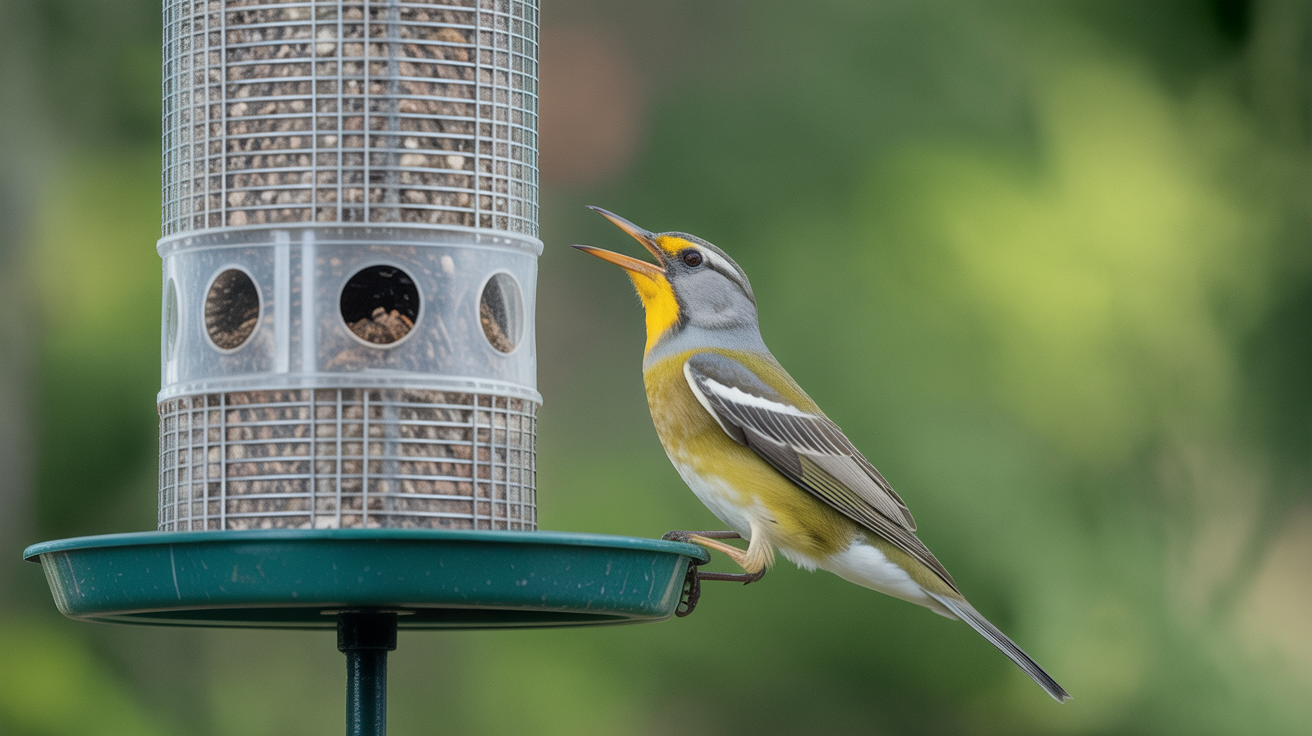
Most people set up a feeder, wait a week, and wonder why nothing showed up. A few simple fixes change that completely.
Backyard birding has a short learning curve, but the early stumbles tend to be the same ones over and over. This guide covers the most common backyard birding mistakes beginners make, explains why they matter, and gives you concrete fixes so birds start showing up faster.
Putting the Feeder in the Wrong Spot
Feeder placement is the single biggest factor beginners overlook. Birds are cautious by nature. They want a clear sightline to spot predators, and they want quick access to cover if something spooks them.
Too far from cover. A feeder mounted in the middle of an open lawn puts birds in an exposed position. Most birds will not commit to a feeder where they cannot see escape routes or reach a shrub quickly. Aim to place feeders within 10 to 15 feet of a brush pile, dense shrub, or small tree.
Too close to the house (window strikes). Feeders placed between 3 and 10 feet from a window sit in a danger zone. A bird that flushes from the feeder has enough room to build speed before hitting the glass. The safest placements are either within 3 feet of the glass (not enough room to accelerate) or more than 15 feet away (enough room to reorient).
Shade versus sun. Seed sitting in direct sun all day heats up, sweats, and spoils faster. A spot with morning sun and afternoon shade extends seed freshness and keeps the feeder more appealing.
A good beginner setup: a tube feeder hung from a shepherd's hook about 5 feet high, 10 feet from a hedge or shrub, and close enough to the house that you can actually watch what visits.
Choosing the Wrong Seed or Feeder Type
Bird feeding mistakes often come down to buying the wrong product at the grocery store checkout. A few things worth knowing:
Mixed seed bags are mostly filler. The colorful wild-bird mixes sold at gas stations and grocery stores are often packed with milo, wheat, and oats. Most North American songbirds do not eat those. The seeds end up on the ground, rotting. The birds you actually want, such as finches, chickadees, and nuthatches, are looking for black-oil sunflower seed.
A simple seed priority list:
| Seed | Birds it attracts |
|---|---|
| Black-oil sunflower | Cardinals, chickadees, nuthatches, finches, juncos |
| Nyjer (thistle) | Goldfinches, siskins, house finches |
| Safflower | Cardinals, chickadees (squirrels tend to avoid it) |
| Peanuts (shelled) | Blue jays, woodpeckers, nuthatches |
| Suet | Woodpeckers, nuthatches, Carolina wrens |
Mismatch between feeder and seed. A tube feeder with large ports does not work well with tiny nyjer seed. A platform feeder with nyjer is wasteful because it blows away. Matching the feeder design to the seed type matters more than most beginners realize.
For a deeper look at building your first setup, The Beginner Birder's Starter Kit: What You Actually Need walks through what to buy and what to skip.
Giving Up Too Fast (or Not Being Consistent)
New feeders can sit untouched for days or even two to three weeks before birds notice them. This surprises a lot of beginners who expect results on day one. Birds learn feeder locations through habit and through watching other birds. If your yard has never had a feeder, it takes time to get into the local flock's mental map.
A few things that speed up the discovery window:
- Keep seed fresh. Stale or wet seed repels birds. Dump and refill every five to seven days, more often in humid weather.
- Keep the feeder consistently stocked. An empty feeder teaches birds that this location is unreliable.
- Add a birdbath. Moving water attracts birds faster than seed alone. A simple solar fountain is enough to create the sound and movement that pulls birds in.
The feeders-then-nothing trap. Some beginners fill the feeder in fall, let it go empty through winter, then wonder why birds stopped coming. Birds in cold weather become dependent on reliable food sources. Running out of seed mid-winter is one of the most counterproductive bird feeding mistakes you can make during the months when they need it most.
Skipping Habitat
Feeders are one piece of the puzzle. The yards that consistently attract the most variety are not just feeder-heavy, they offer the things birds need beyond food.
No cover or nesting structure. A yard with only a feeder and lawn grass is still not interesting to most birds. Native shrubs, brush piles, and even a single dead snag (a standing dead tree) add enormous value. Brush piles on the ground give sparrows and towhees a place to scratch. Dense shrubs offer winter cover for wrens and thrushes.
Non-native plants that produce no food. Ornamental plants are fine visually, but native plants are the ones that produce the berries, seeds, and insect habitat that birds actually rely on. A serviceberry, a native holly, or a coneflower patch does more for year-round bird presence than almost any feeder upgrade.
No water. A birdbath gets used more than most beginners expect. Ground-level dishes for thrushes, elevated dishes for warblers, and a shallow dripper or fountain for hummingbirds all serve different species. Keep it clean and fresh; algae or stagnant water sends birds elsewhere.
Misidentifying Birds and Missing What's Already There
A lot of beginners assume they need rare species to make the hobby worthwhile. Most do not have a system for paying attention to what is already visiting, and they miss genuinely good birds as a result.
Not keeping any kind of list or log. You do not need a formal system, but writing down what you see and roughly when helps you notice patterns. The same chipping sparrow might visit every morning at 7:30. A Cooper's hawk might make a weekly pass on Tuesday afternoons. These patterns are invisible without some note-keeping.
Rushing the identification. Good binoculars make a real difference here, not because expensive glass is required, but because a blurry or dim view leads to misidentification and frustration. If you are squinting and guessing, you are not actually birding, you are just watching blobs. How to Choose Binoculars for Birdwatching covers what specs matter and which ones you can ignore for backyard use.
Overlooking common birds. House sparrows and European starlings generate frustration for some beginners because they crowd feeders. But learning to identify them accurately is actually useful practice, and watching their behavior teaches you what "normal" looks like so you notice something different when it shows up.
If you are starting completely from scratch, How to Start Backyard Birding: A Beginner's Guide covers the full setup from the beginning.
Neglecting Feeder Hygiene
This one is unglamorous but genuinely important. Dirty feeders spread disease between birds. Salmonella, avian pox, and house finch eye disease (mycoplasmal conjunctivitis) all move through contaminated feeders. A bird that looks fluffed up, lethargic, or has a swollen or crusty eye is a sign that something is wrong. If you notice sick birds, take the feeder down, clean it thoroughly, and let the area rest for a week or two. For any bird that appears injured or seriously ill, contact a licensed wildlife rehabilitator, not a pet vet.
Cleaning basics:
- Tube feeders: every two weeks, more often in wet weather
- Platform feeders: weekly, since seed sits directly on the surface
- Birdbaths: every two to three days; scrub and rinse with a 10% bleach solution monthly
- Ground below feeders: rake and clear hulls before mold develops
A feeder that looks full but contains clumped, moist, or gray-smelling seed is doing more harm than good. Dump it and start fresh.
Frequently Asked Questions
How long does it take for birds to find a new feeder? Anywhere from a few days to three weeks, depending on how much bird activity already exists in your yard and neighborhood. Yards with established feeders nearby see faster results. Adding water alongside the feeder speeds up discovery.
What is the most common bird feeding mistake beginners make? Buying cheap mixed seed. Most of those mixes are loaded with milo and cereal grains that songbirds reject. Starting with black-oil sunflower seed in a basic tube or hopper feeder gets results far faster.
Why are birds not visiting my feeder? The most likely causes are placement (too exposed, too far from cover, or in a window-strike zone), stale seed, or simply that birds have not found it yet. Give it two to three weeks and make sure seed is always fresh.
Do I need to feed birds year-round? Not required, but consistent year-round feeding builds a more reliable pattern of bird visits. Winter feeding is particularly valuable in cold climates. If you do feed year-round, commit to keeping the feeder clean and stocked, since birds can become reliant on a food source.
Is it okay to stop feeding birds mid-season? You can take a break, but a mid-winter gap is the most disruptive. If you need to stop, taper down gradually rather than going from full feeder to empty overnight, especially during cold snaps when birds are most dependent on supplemental food.